

About the project
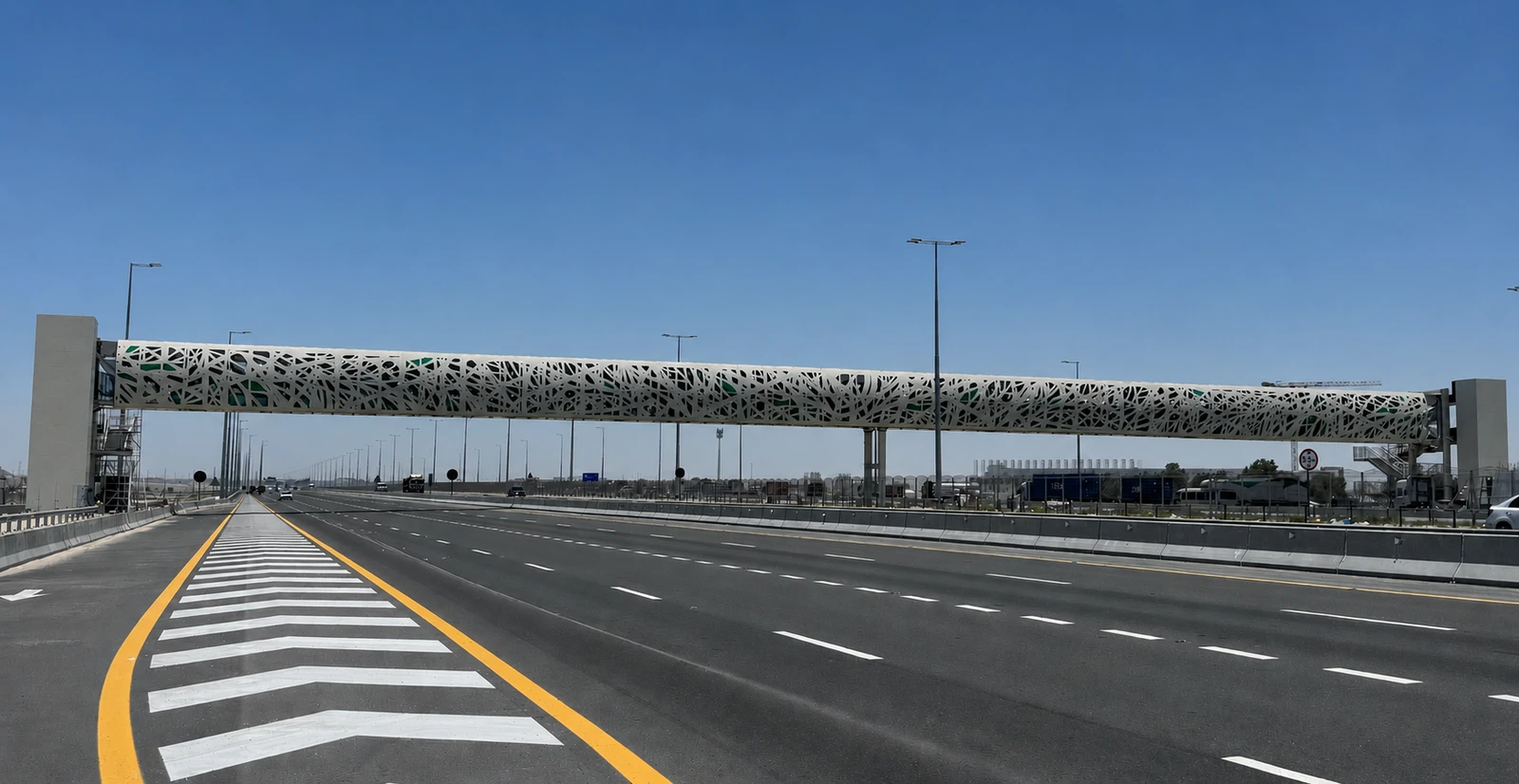
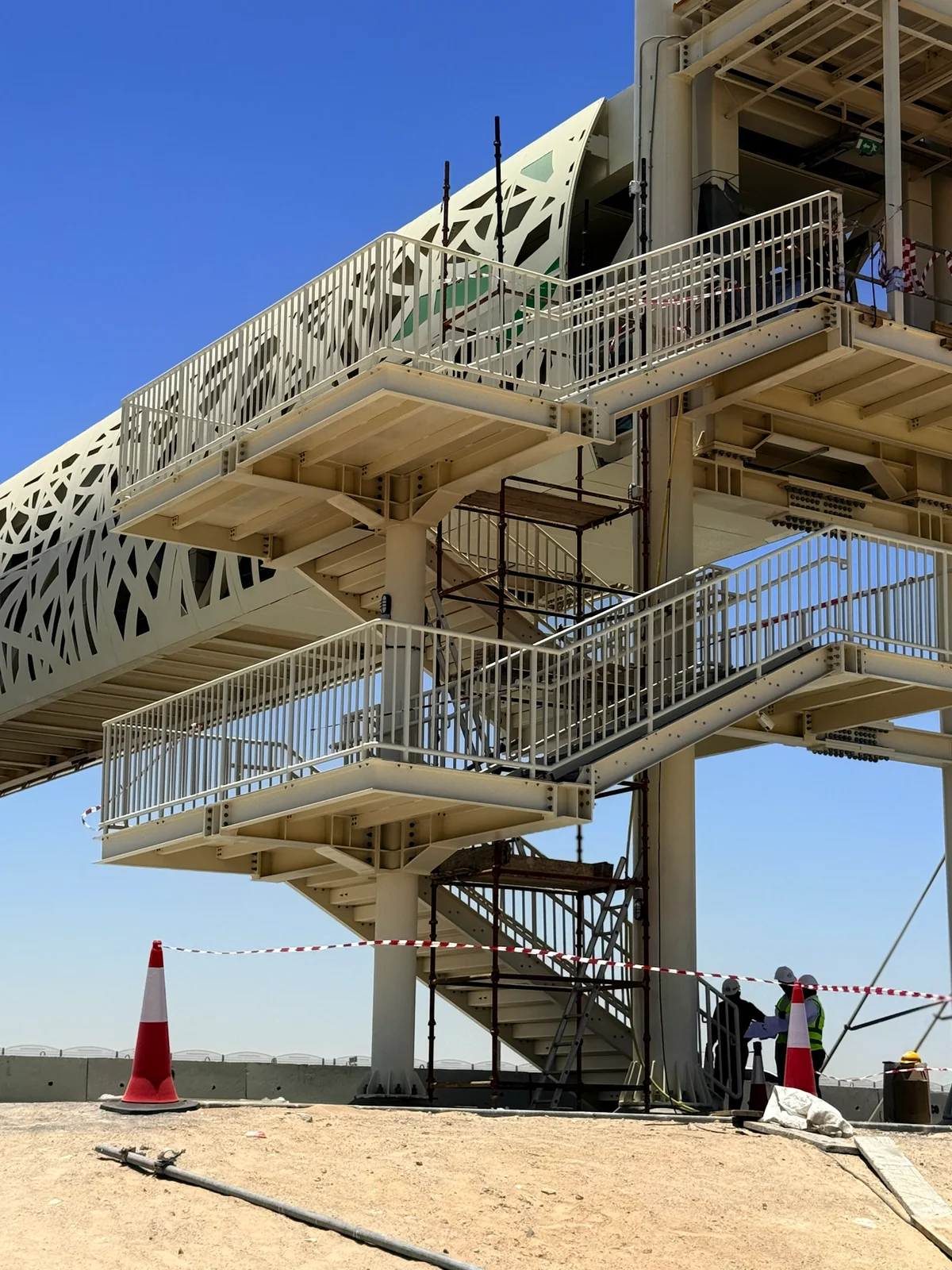
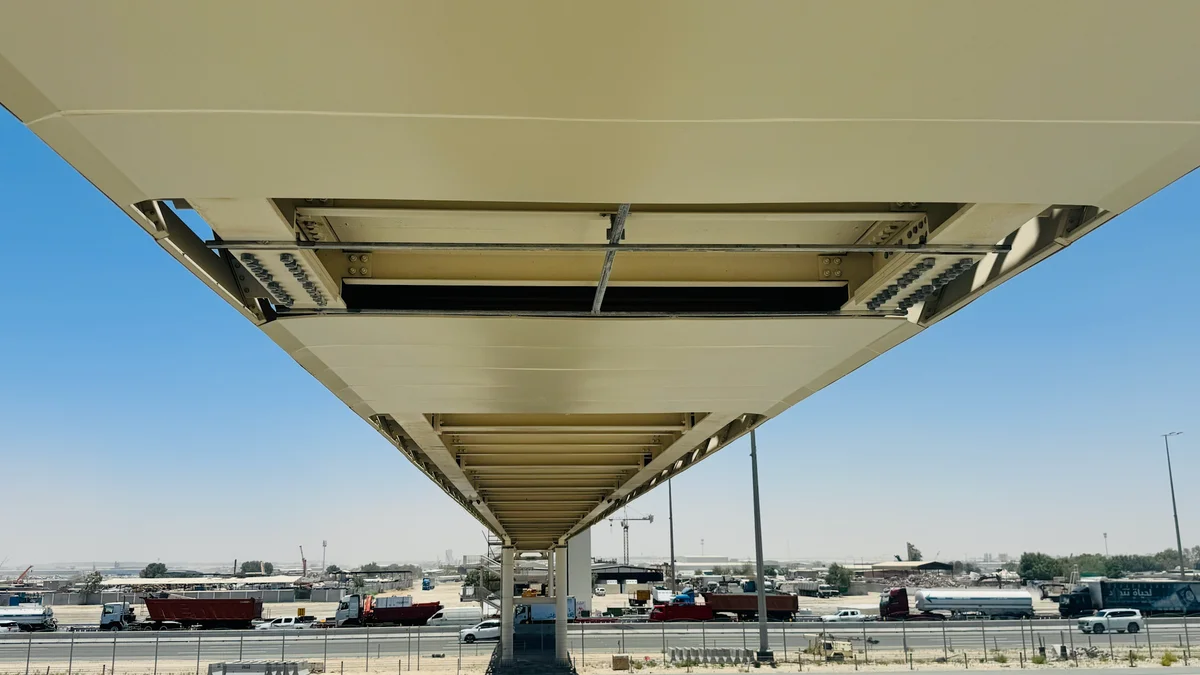
Batco Pedestrian Bridge-11 is a steel pedestrian bridge designed to provide a crossing over the heavily trafficked E11 highway in Abu Dhabi, United Arab Emirates. Developed for the Integrated Transport Center (ITC) and designed by CICON with architectural input from AVANTGARDE, the project improves pedestrian connectivity and increases public safety across one of the region's busiest transport corridors.
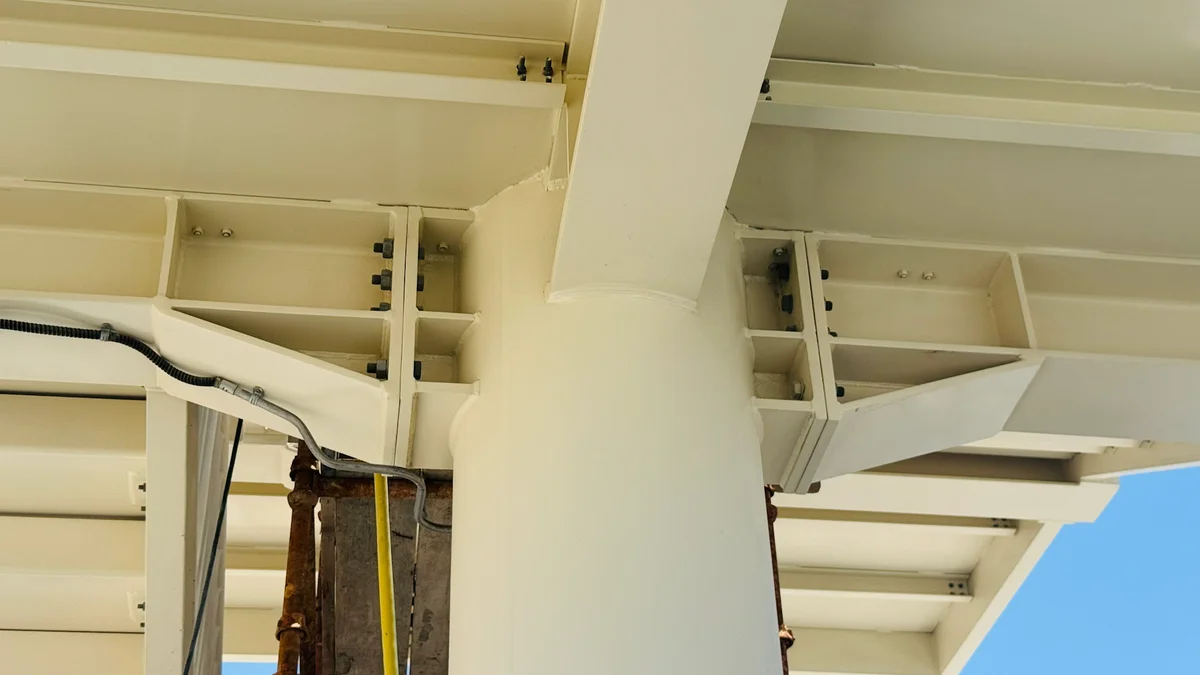
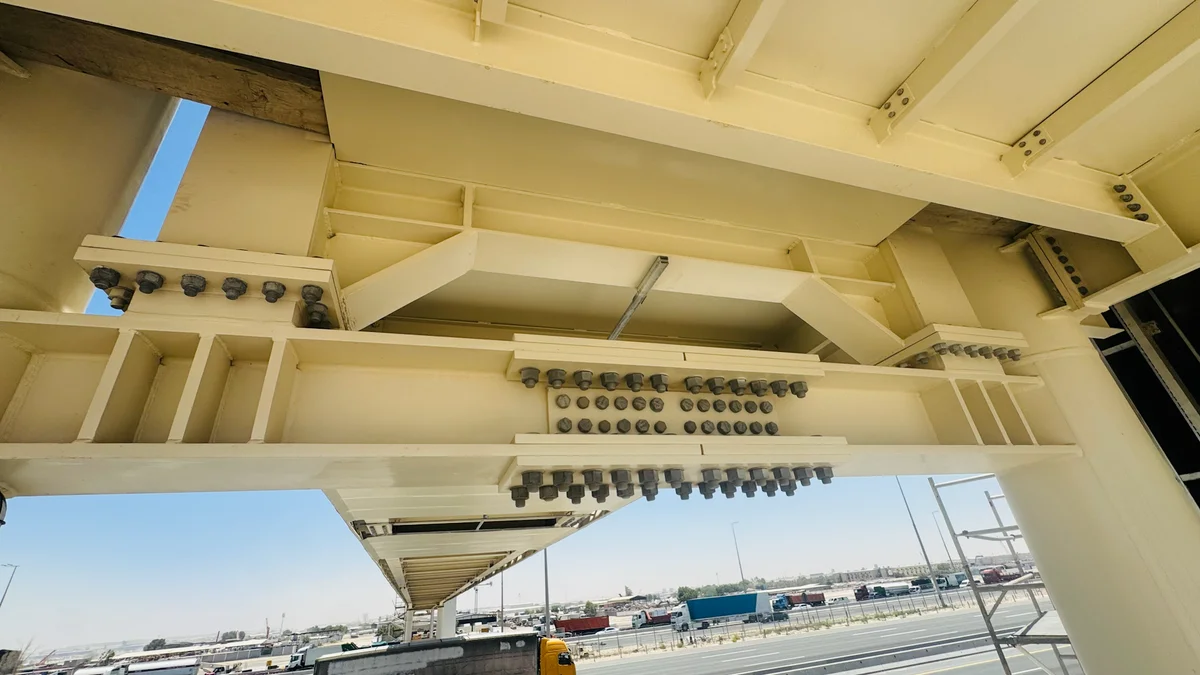
The structural engineering scope focused on the detailed analysis, design and verification of the bridge's steel components, with particular emphasis on fatigue-sensitive steel connections. The engineering team was responsible for modelling, analysing and verifying critical connections in accordance with AASHTO LRFD bridge requirements and AISC steel design standards, ensuring every connection satisfied both structural performance and fabrication requirements.
Engineering challenges
The primary engineering challenge was the fatigue design and verification of steel connections in accordance with AASHTO LRFD requirements. Fatigue assessment of bridge connections requires an accurate evaluation of stress ranges and fatigue life and is not readily supported by many conventional connection design tools.
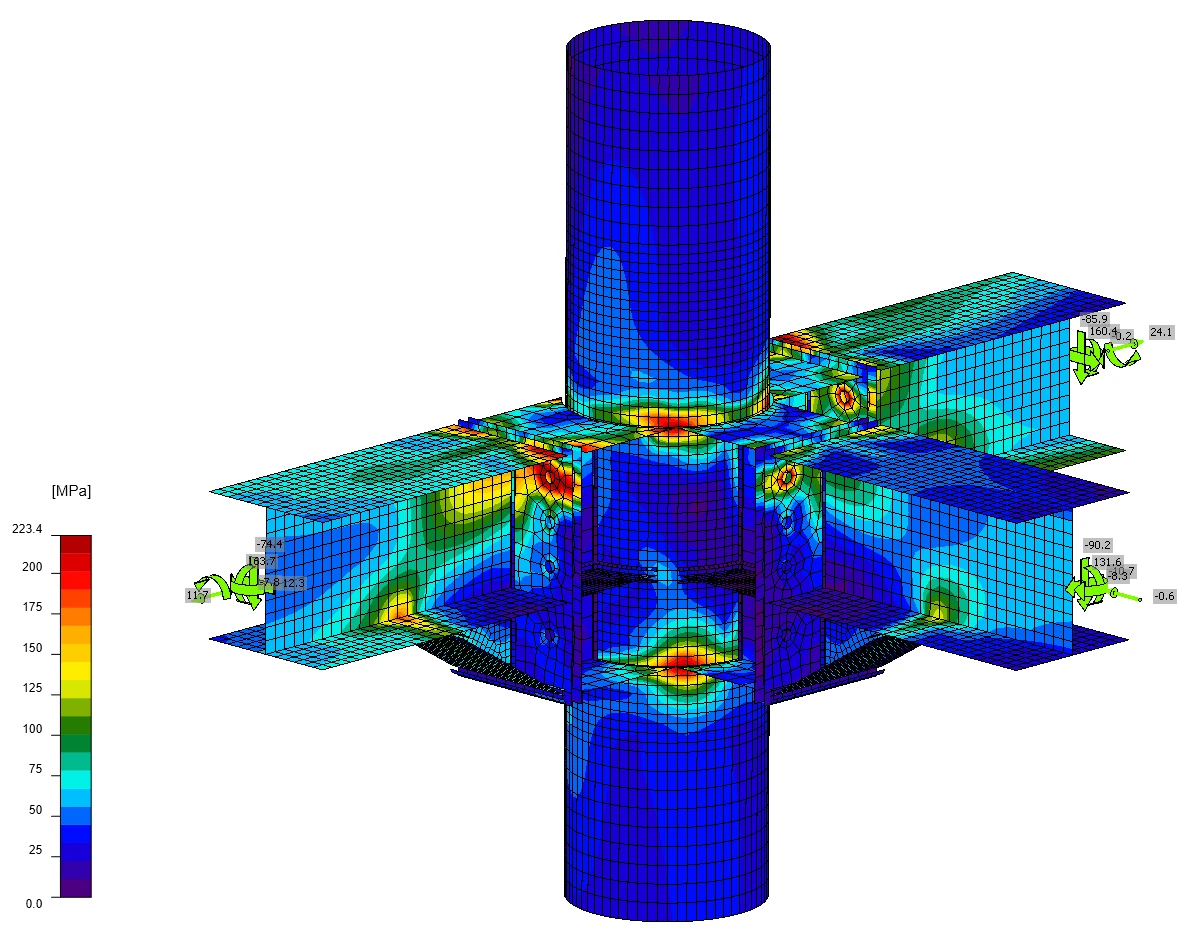
The 60 m large-span structure was subjected to a comprehensive range of loading conditions, including dead, pedestrian live, seismic, settlement, temperature, wind, and fatigue loads. The significant forces transferred through the structure, combined with multiple complex connection geometries, made reliable connection design and verification particularly important.
Engineers also needed to achieve an accurate representation of stress distribution and fatigue behavior while optimizing connection capacity without unnecessary overdesign. At the same time, the proposed solutions had to respect fabrication requirements, welding considerations, and overall constructability.
A dedicated provision for fatigue checks, aligned with AASHTO requirements, was particularly valuable and not readily available in other tools.

Mohamed Raneesh
Sr. Structural Design Engineer – Cicon Epoxy and Steel Cutting Plant LLC SPC
United Arab Emirates
Solutions and results
The integration of STAAD.Pro and IDEA StatiCa through Checkbot application enabled the engineers to transfer connection geometry, member cross-sections, material properties, and governing load effects directly from the global structural model into the connection design environment. This eliminated the need for repetitive manual data input and reduced the risk of inconsistencies between global analysis and detailed connection verification.
As a result, engineers designed standard connections included in this project 65% faster, and complex, non-standard connections 75% faster, compared to traditional Excel- and FEM-based workflows.
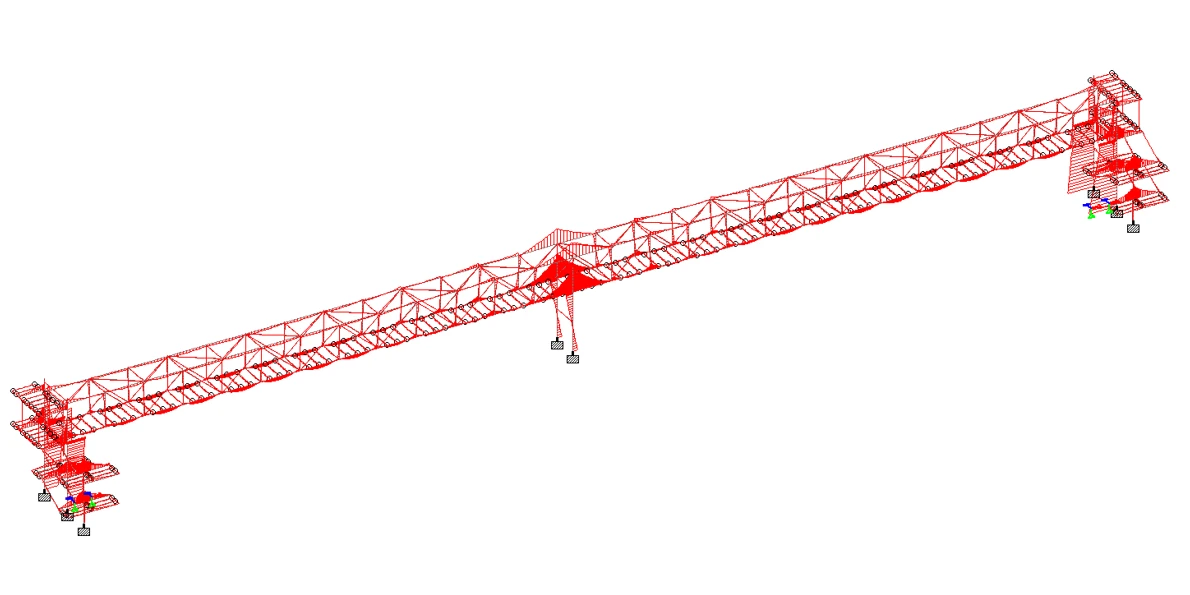
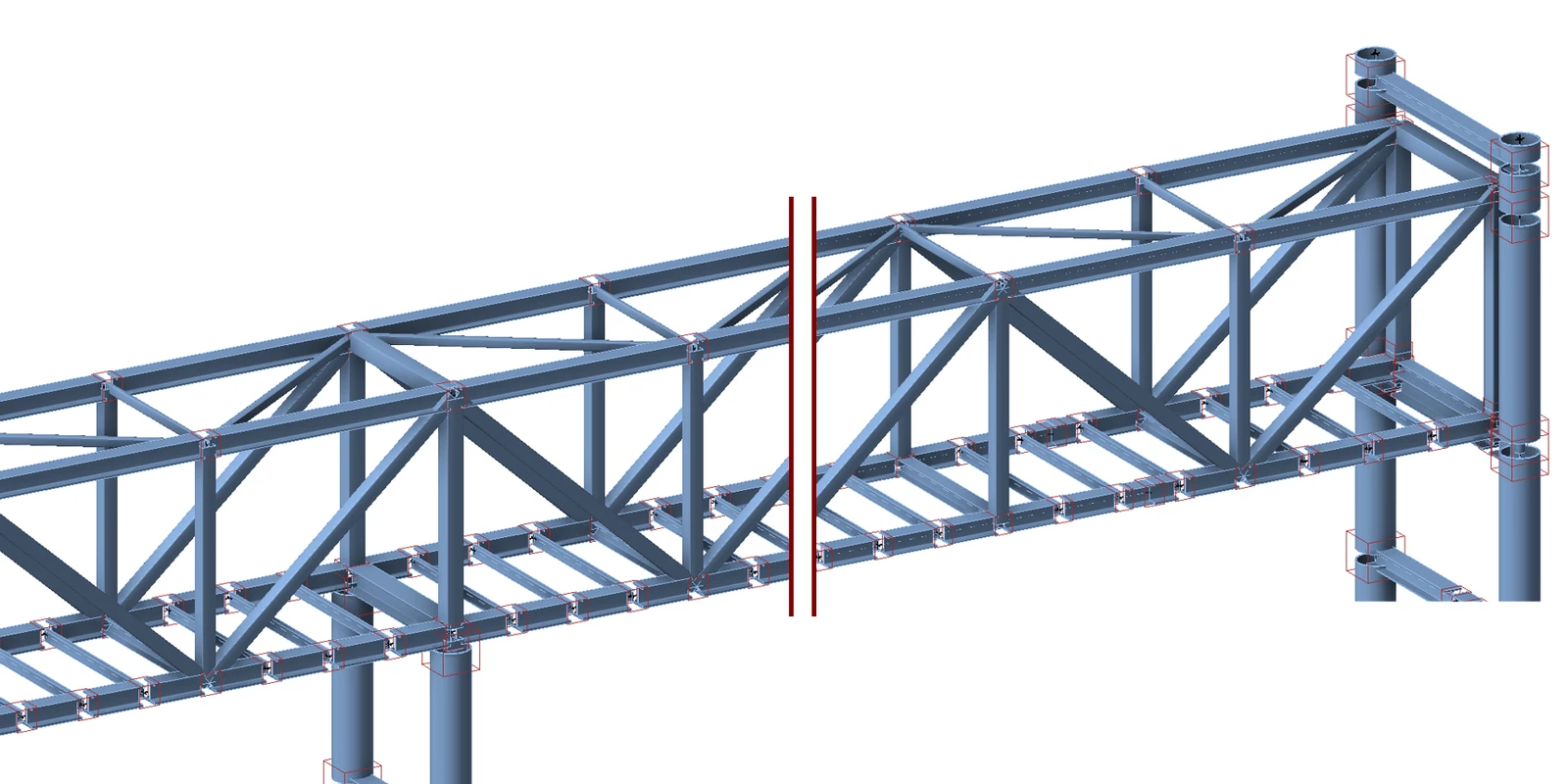
Using the imported analysis results from the global STAAD.Pro model, the fatigue analysis in IDEA StatiCa Connection application provided a detailed assessment of local stress distribution and fatigue-critical regions within the connections. The integrated workflow allowed engineers to efficiently evaluate complex connection geometries under the governing AASHTO LRFD load effects, identify critical fatigue details, and optimize connection components without unnecessary overdesign. As design iterations were required, Checkbot provided a link between the global STAAD.Pro model and connection-level verification, which was used multiple times, resulting in an efficient engineering workflow.
The streamlined data transfer also supported more efficient use of material, reducing overall steel consumption by 20% while maintaining full compliance with design requirements.
Fatigue assessment capabilities built-in IDEA StatiCa, combined with accurate FEA results, significantly improved confidence in the design. Overall, IDEA StatiCa reduced manual effort and helped deliver optimized, code-compliant designs in a significantly shorter timeframe.
Mohamed Raneesh
Sr. Structural Design Engineer – Cicon Epoxy and Steel Cutting Plant LLC SPC
United Arab Emirates
Conclusion
IDEA StatiCa enabled the engineering team to efficiently design and verify complex, fatigue-critical bridge connections in compliance with AASHTO LRFD requirements. The integration with STAAD.Pro through Checkbot reduced manual data transfer, minimized input errors, and accelerated design iterations. Detailed CBFEM and fatigue analysis provided clear insight into local stress behavior and critical fatigue regions, allowing engineers to optimize connection details without unnecessary overdesign.
Overall, IDEA StatiCa delivered a faster, more reliable, and traceable connection design workflow. Using IDEA StatiCa cut connection design time by 65% on standard connections and 75% on complex ones compared to the traditional methods (Excel & FEM tools), while reducing material use by 20% across the connections overall.
Try IDEA StatiCa for free
Start your trial today and enjoy 14 days of full access and services free of charge.
Start free trial