

About the Company
Jaillet-Rouby focuses on structural engineering and project management for steel structures. The company is known for its involvement in large-scale projects requiring advanced technical knowledge and precision. The company plays a key role in projects that combine architectural ambition with technical complexity, delivering solutions that meet stringent safety and aesthetic requirements.
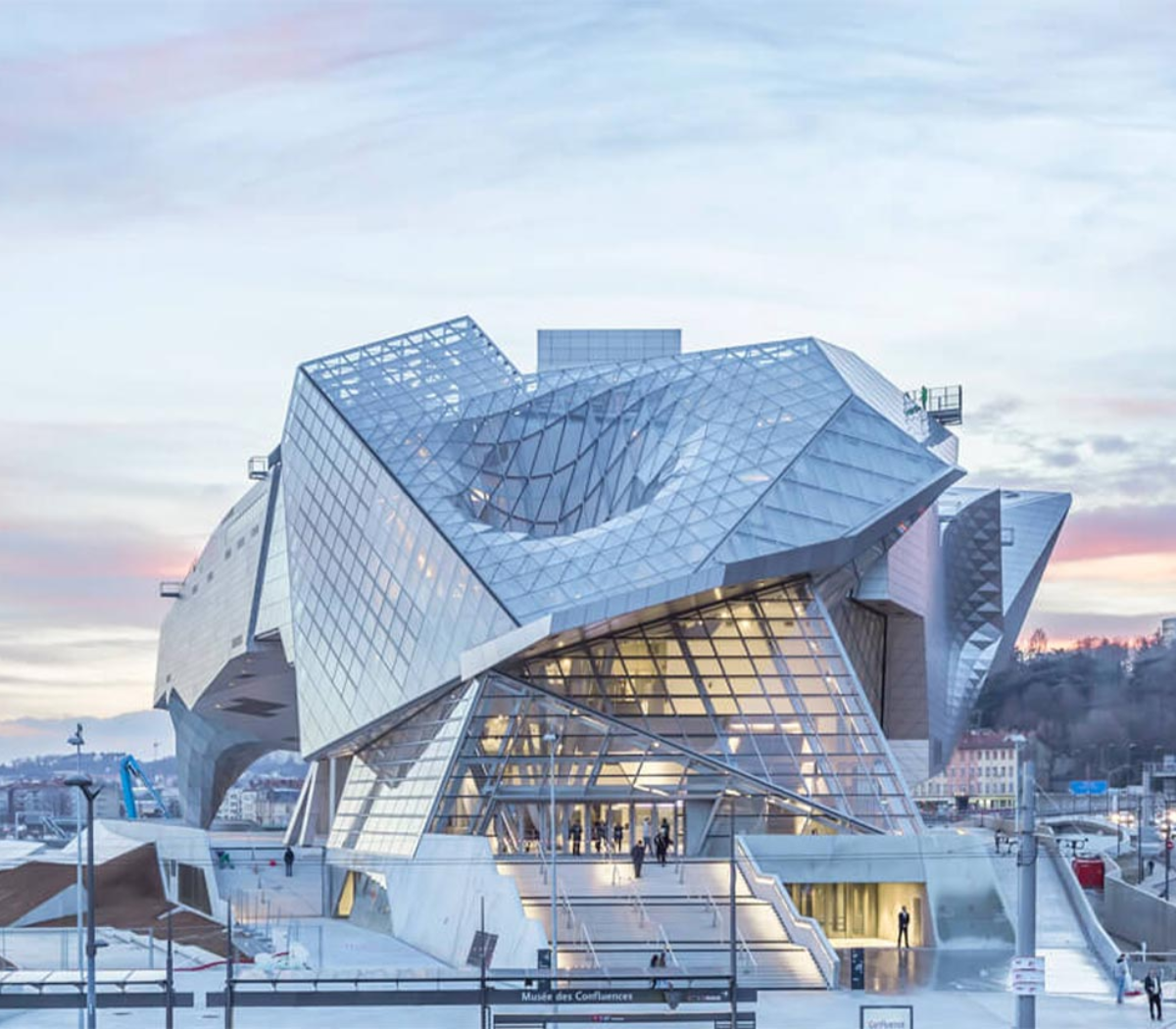
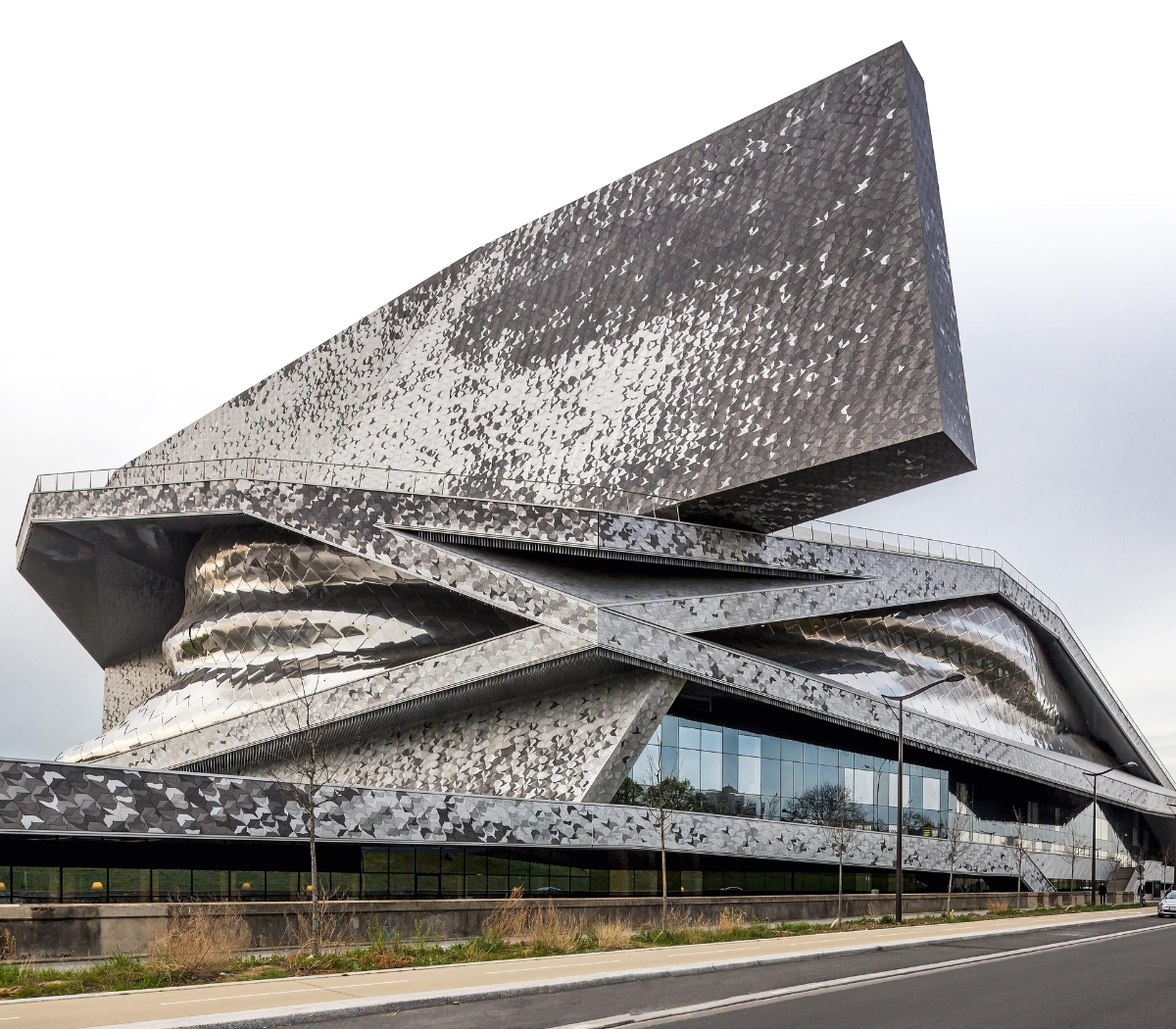
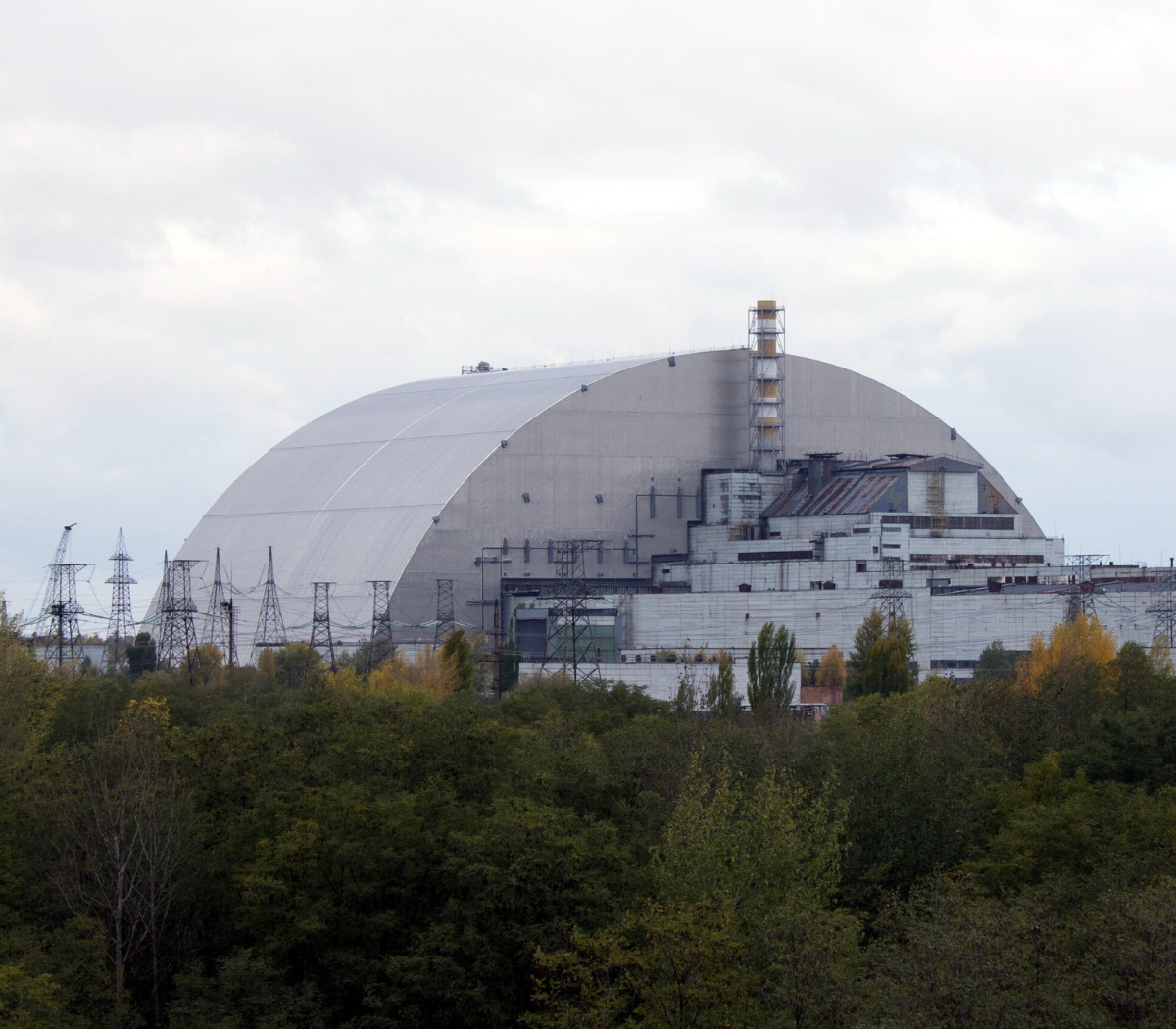
Over the years, Jaillet-Rouby has contributed to some of the most iconic structures in France and beyond, including the Musée des Confluences in Lyon, a striking cultural landmark defined by its bold geometry. Another stunning example is the Philharmonie de Paris, a world-class concert hall demanding exceptional precision in steelwork or the protective arch over the damaged Reactor No. 4 at the Chernobyl Nuclear Power Plant, a project of unprecedented scale and safety requirements. These examples illustrate the company’s ability to tackle projects where structural difficulty and innovative design converge.
About their projects
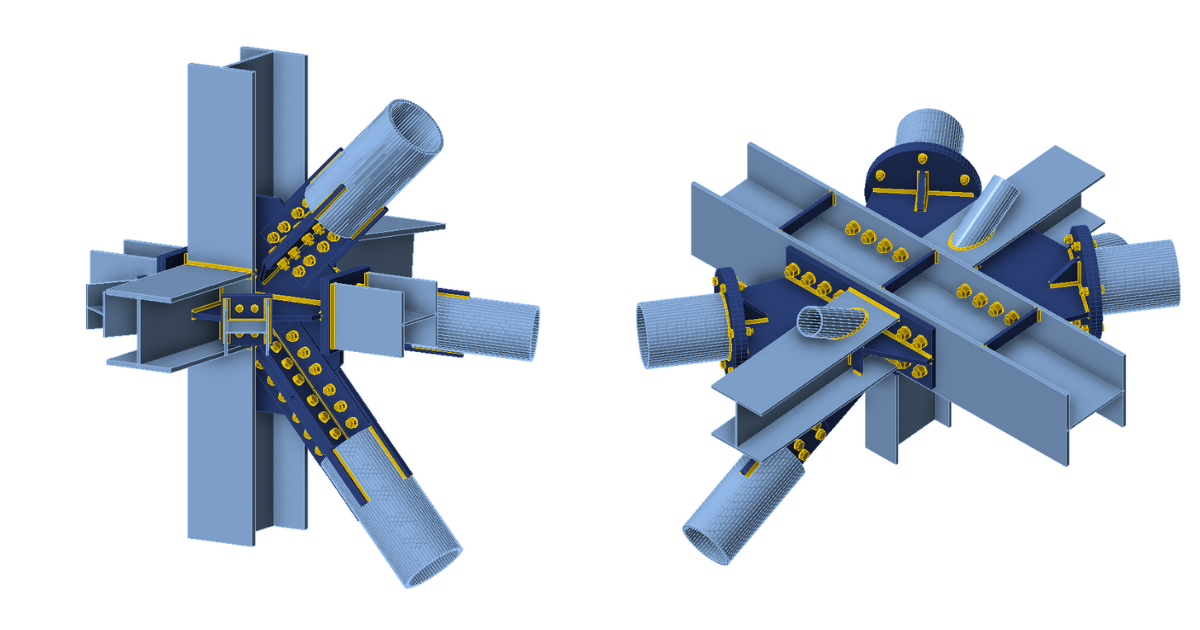
Their projects are mainly large industrial or commercial steel building, composed of hundreds or even thousands of connection nodes and more than a dozen of columns and beams intersecting at varying angles due to the strict requirements from architects. The engineering scope covers both the global structural model and the detailed design and code-checking of all steel connections.
Jaillet-Rouby’s projects are characterized by their complexity. Many of them involve highly intricate geometries and require advanced analysis.
Engineering challenges
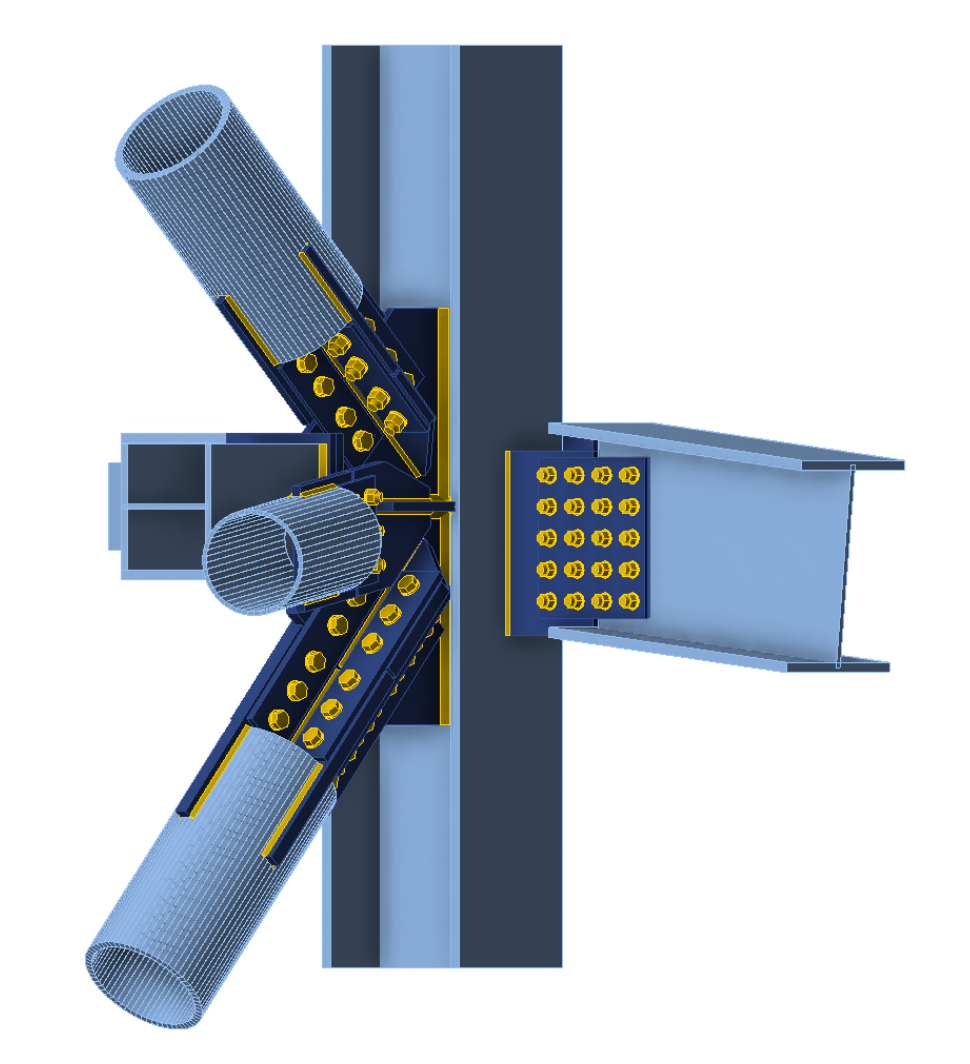
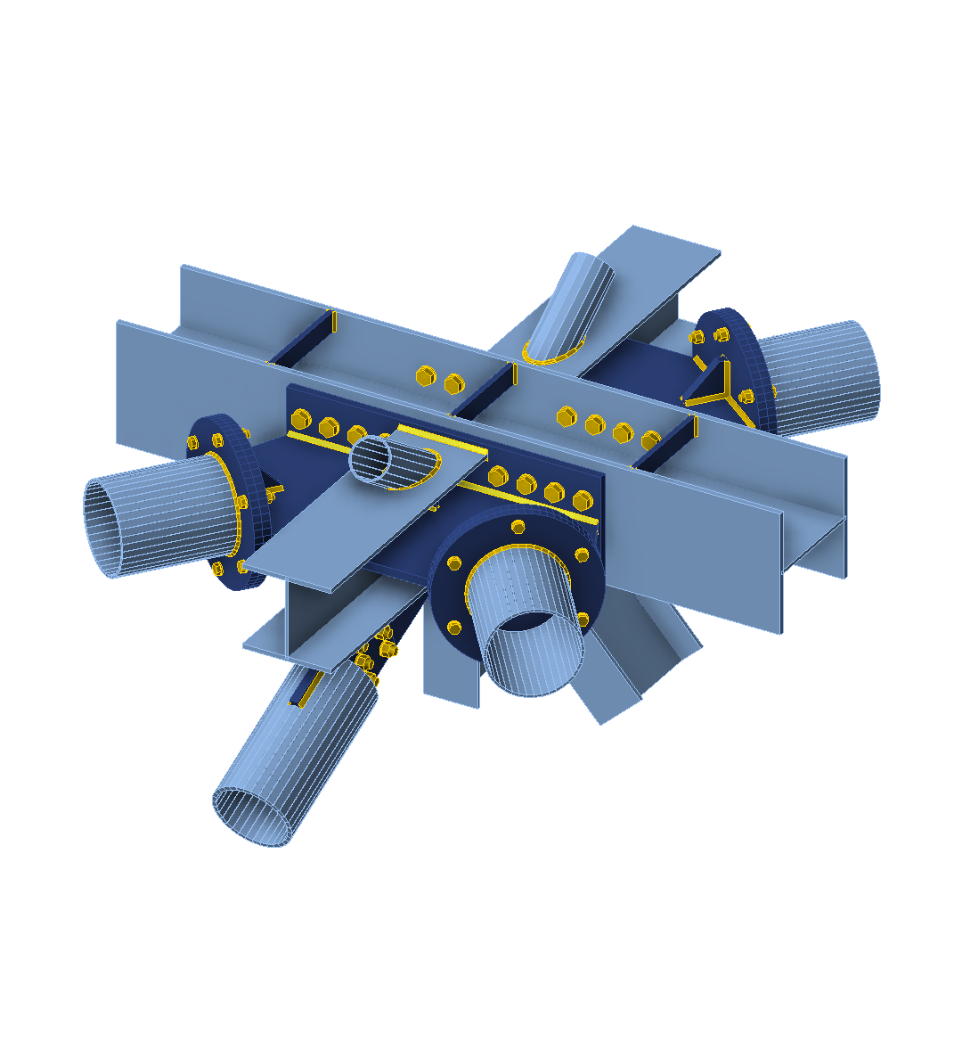
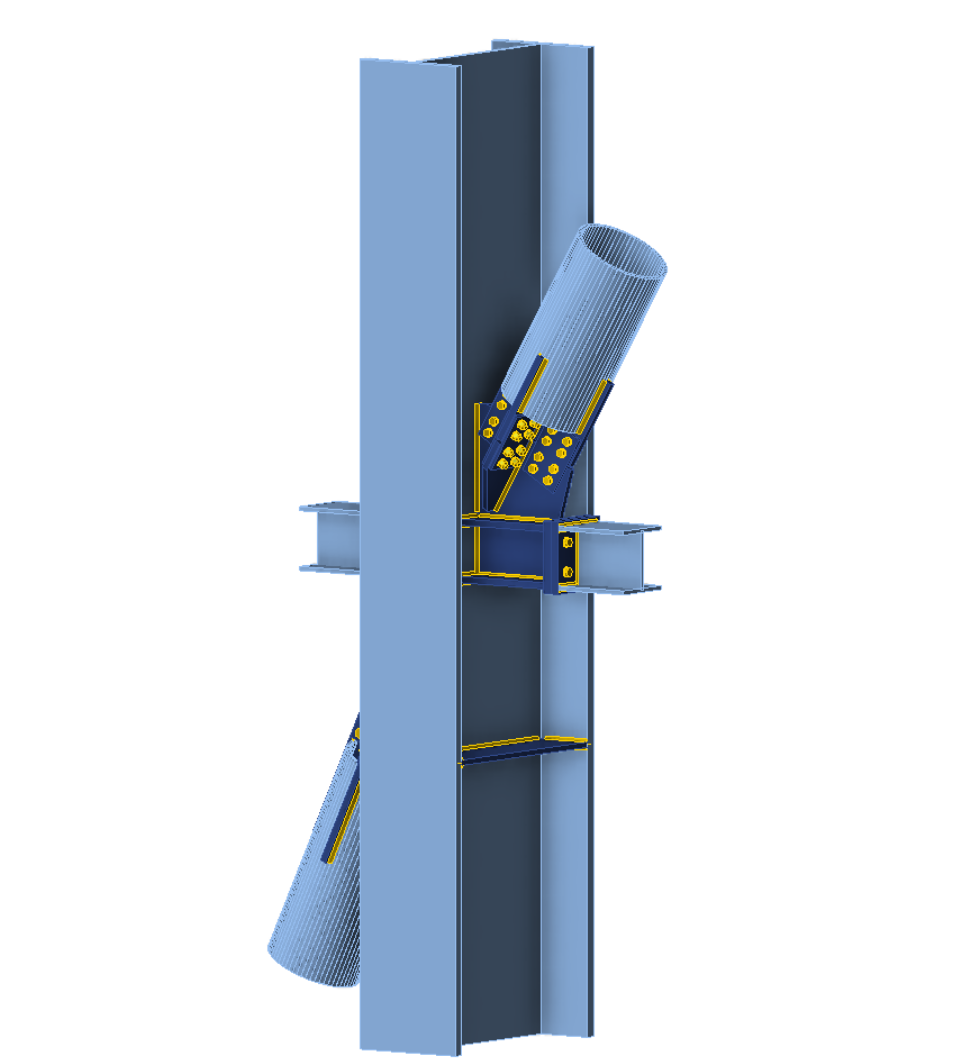
In one recent confidential project, Jaillet-Rouby faced several challenges that exemplify the complexity of their work. The most demanding aspect was the design and verification of intricate steel connections, often involving up to ten members converging at a single node.
One of the most biggest challenges in connection design is dealing with eccentricities. And why? When members do not align perfectly with the node’s centerline, the resulting offset introduces secondary moments and additional forces that are often underestimated in manual calculations. These effects can significantly influence the overall behavior of the connection, especially in complex assemblies where multiple members converge at different angles. Without advanced tools, engineers risk overlooking these secondary effects, which can compromise both safety and serviceability.
Another significant challenge encountered by Jaillet-Rouby lies in the design of nodes where numerous members converge. In some assemblies, up to ten bars meet at a single point, creating highly intricate geometries that are extremely difficult to model and verify manually.
The complexity is not limited to geometry alone. These connections must transfer forces in multiple directions under load combinations, including seismic effects. Such nodes often require consideration of combined axial forces, shear, and bending moments acting simultaneously on several components. A painstaking task when performed by hand.
Maintaining fabricator requirements adds another layer of complexity. Adjustments are often necessary to accommodate on-site conditions, such as providing extra space for welding or bolting. These modifications can occur late in the process, requiring rapid redesigns and recalculations. Without efficient tools, such changes would lead to significant delays and increased costs.
“Sometimes site teams ask for space to fit tools or perform welds — we could adjust the geometry and rerun checks instantly, keeping the project on schedule.”

Vanessa El Hajj
Project Manager – Jaillet-Rouby
Solution and results
To overcome these challenges, Jaillet-Rouby relied on IDEA StatiCa Connection. The software provided several key advantages that transformed the workflow. Engineers could update load effects and rerun calculations instantly, avoiding the need to start from scratch. IDEA StatiCa automatically filtered governing loads for complex connections.
The ability to visualize assemblies in 3D helped prevent spatial conflicts between members and understand the plastification of the connections. Another significant advantage was the ability to visualize the deformation of the connection directly in the model. This feature allowed engineers to verify the real behavior of the joint under applied loads and assess whether the design assumptions were correct. In addition, IDEA StatiCa provided clear visualization of plasticity zones, which offered valuable insight into stress redistribution and helped the team understand how the connection would perform.
“With so many members converging at one node, 3D visualization was essential. It helped us understand the geometry, offsets, and load paths immediately.”
Vanessa El Hajj
Project Manager – Jaillet-Rouby
The team could perform the stiffness analysis to define the type of connection (rigid, semi-rigid, pinned). IDEA StatiCa allowed engineers to run multiple stiffness checks on a similar modification of the connection model. This streamlined workflow enabled the team to avoid semi-rigid connections that would complicate global analysis, ensuring that the structural model remained consistent with design assumptions and Eurocode requirements.
One of the most significant benefits was time efficiency.
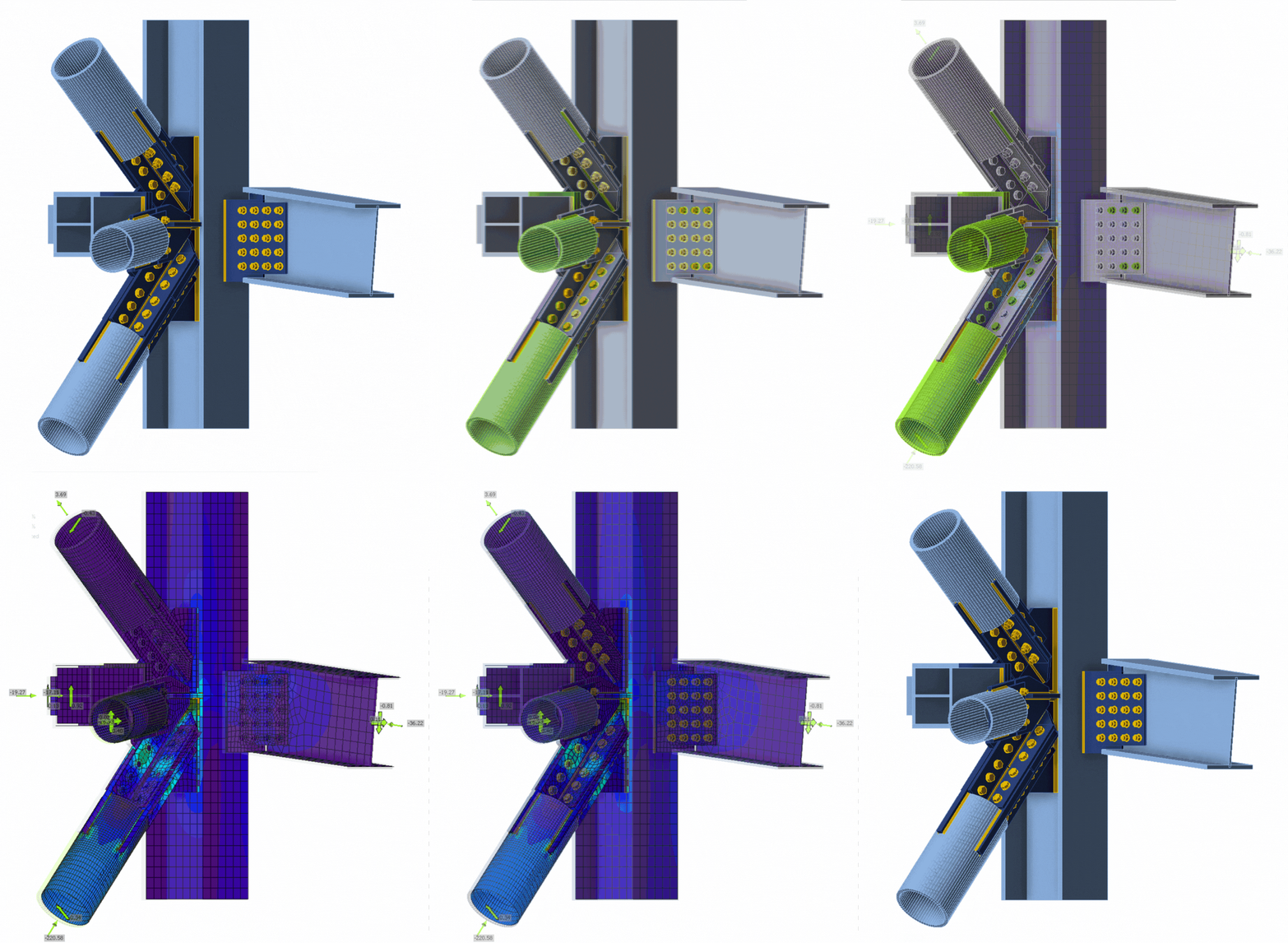
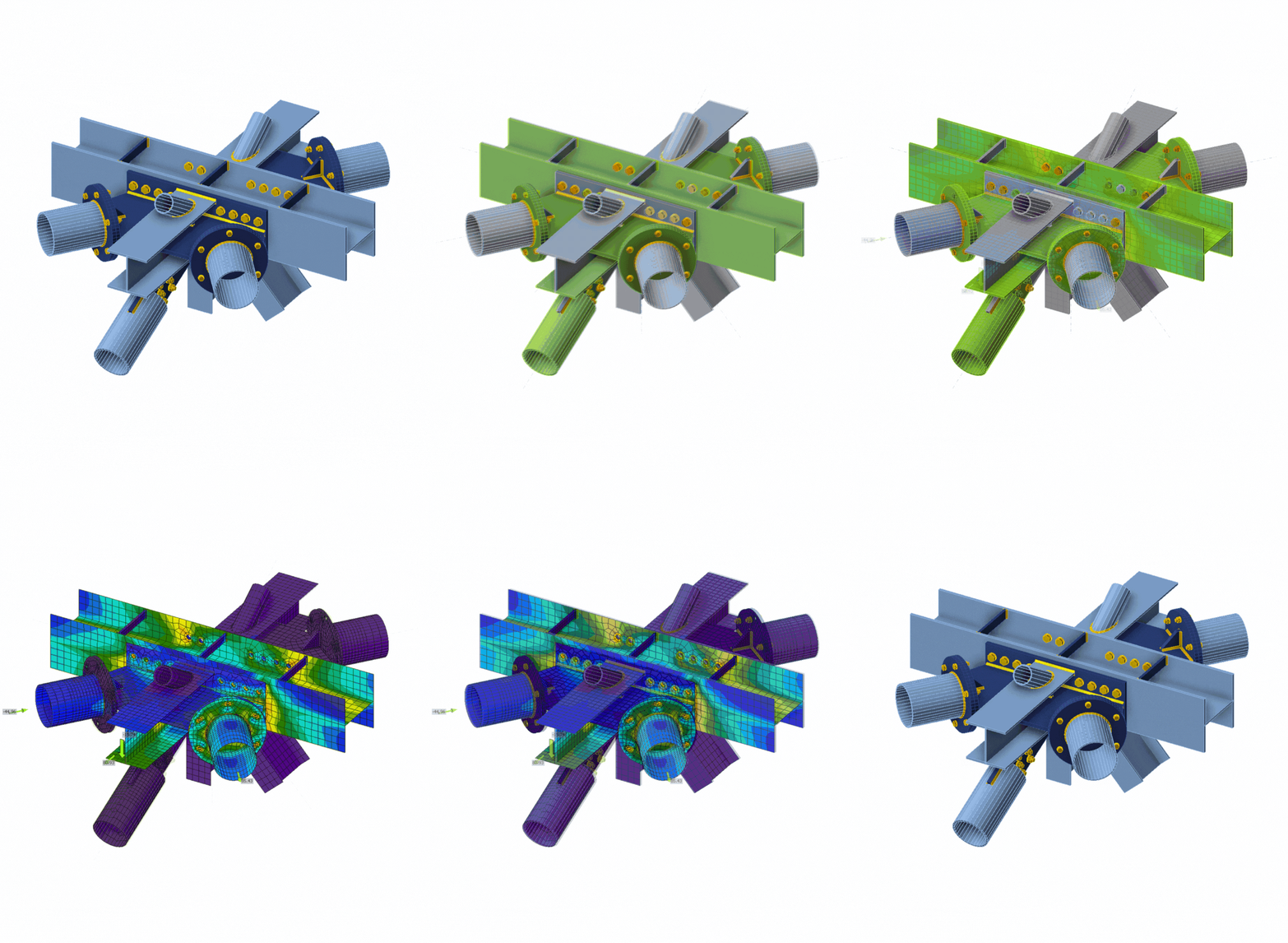
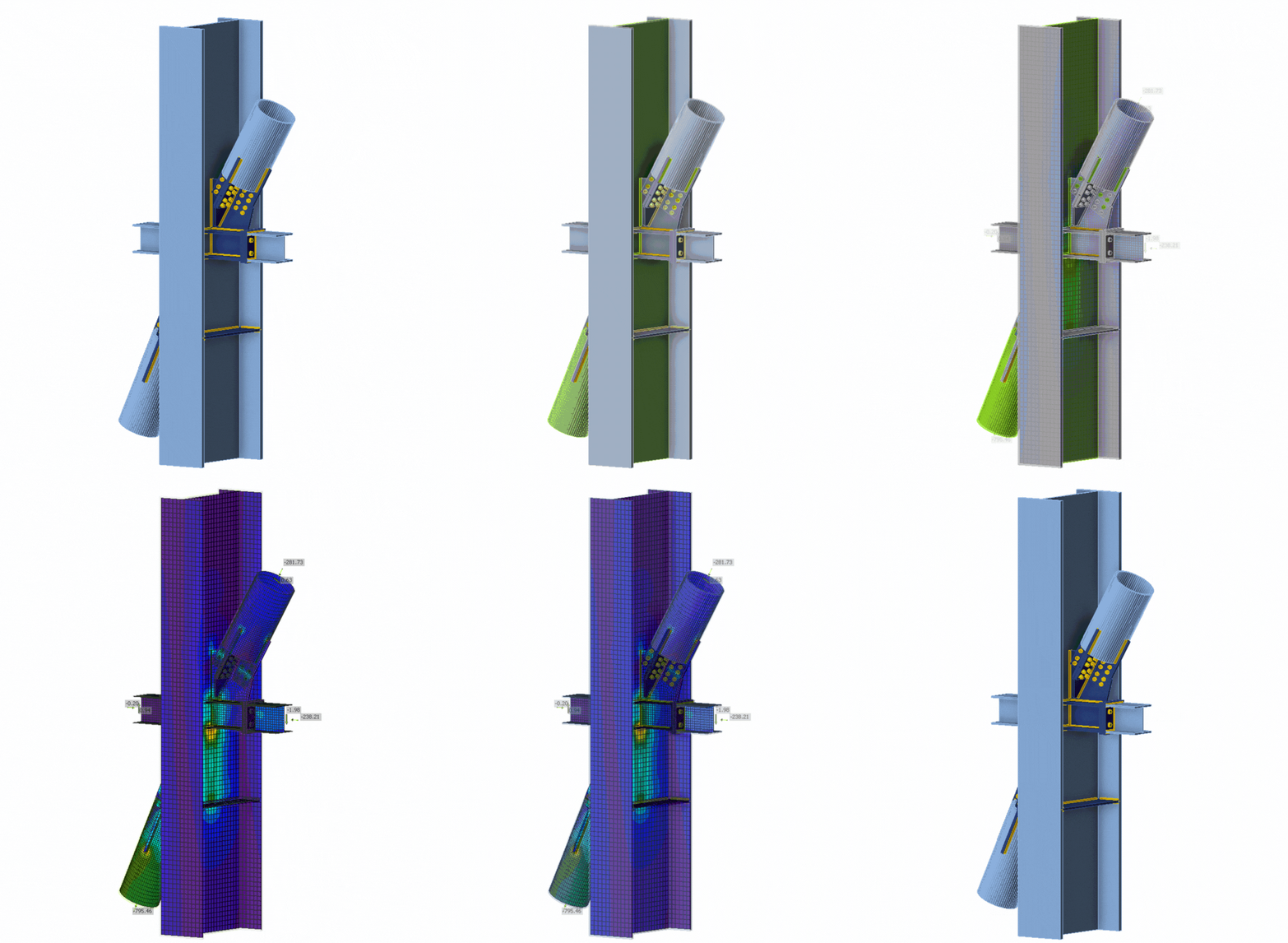
IDEA StatiCa also allowed the team to test multiple design scenarios, an approach that would have been nearly impossible with manual calculations. The combination of advanced analysis, intuitive visualisation, and flexibility in handling design changes made IDEA StatiCa an needed tool for Jaillet-Rouby’s engineering team.
Conclusion
Designing complex steel connections, especially those involving multiple members, eccentricities, and stringent fabrication constraints, requires more than traditional calculation methods. Jaillet-Rouby’s experience demonstrates that advanced numerical analysis and iterative design processes are essential for modern structural engineering. IDEA StatiCa’s ability to model real behavior, handle eccentric connections, and adapt to late-stage modifications provides engineers with a powerful toolset.
“Once you get used to the workflow, it goes fast — we completed more than 250 assemblies efficiently.
Vanessa El Hajj
Project Manager – Jaillet-Rouby
Start your trial today and enjoy 14 days of full access and services free of charge.
Start free trial