


Most přes řeku Esinante
O projektu
Most se skládá z devíti předpjatých betonových nosníků, každý s rozpětím až 34 m, podepřených Gerberovými sedly zabudovanými v středním pilíři. Každé Gerberovo sedlo je tvořeno průřezem pět krát tři a obsahuje centrálně umístěný osmihranný betonový sloup, které společně vytvářejí robustní D-oblast pro přenos smykových a tlakových sil. Tato sedla přenášejí zatížení z nosníků do spodní stavby pilíře, čímž se stávají nepostradatelnými prvky v celkové cestě zatížení.
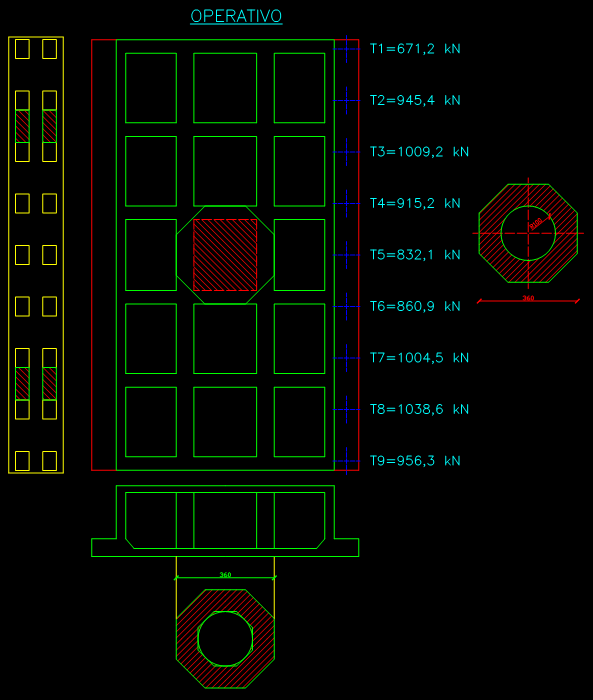
\[ \textsf{\textit{\footnotesize{Layout of the Gerber saddle}}}\]
Přiložená zatížení, odvozená z modelu mostovky, se pohybují od 671 kN do 1039 kN, přičemž v analýze bylo použito ekvivalentní soustředěné zatížení 550 kN. Sedlo má tloušťku 50 cm a je zarovnáno s příčným žebrem hlavice pilíře. Konstrukce je ze železobetonu a byla posouzena pomocí pokročilé metody konečných prvků s nelineárním modelováním konečných prvků spolu s CSFM (Compatible Stress Field Method) pro D-oblasti.
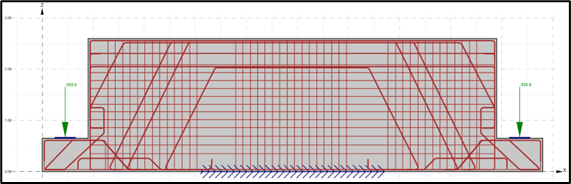
\[ \textsf{\textit{\footnotesize{Section of the gerber saddle}}}\]
Inženýrské výzvy
Hlavní výzvou bylo posouzení konstrukční únosnosti Gerberových sedel v neporušeném i degradovaném stavu. Tyto prvky vykazují složité rozložení napětí v důsledku diskontinuit a soustředěných zatížení a běžné návrhové normy pro takové případy nabízejí jen omezené pokyny. To vyžadovalo pokročilé numerické přístupy pro zachycení skutečného chování konstrukce.
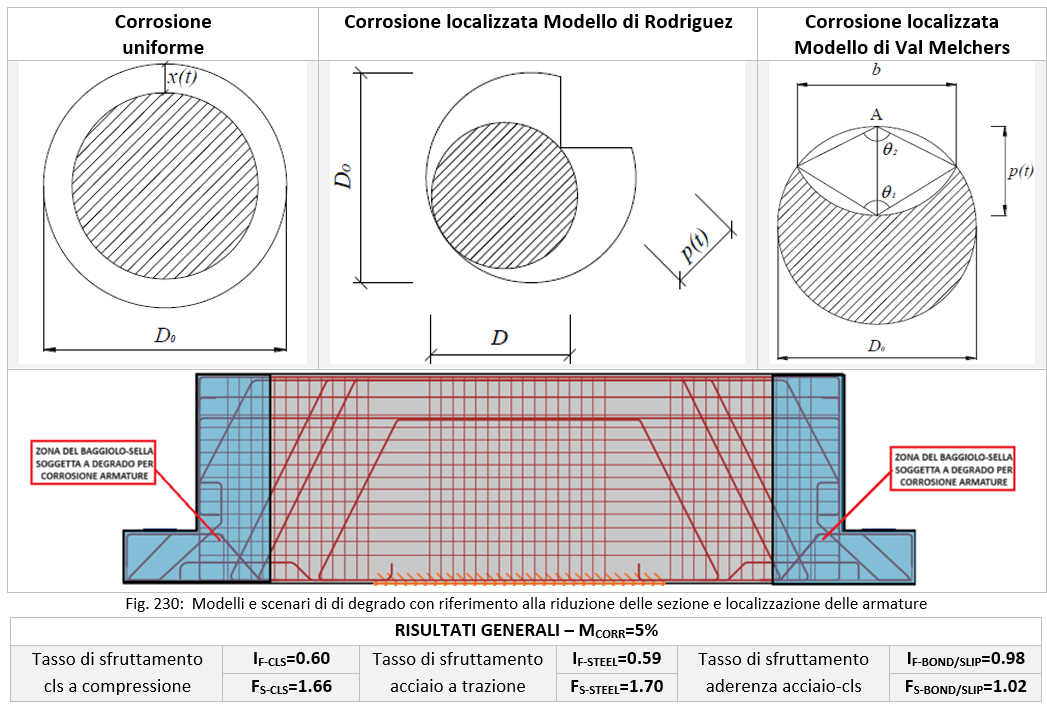
Dalším kritickým problémem byla přítomnost degradace způsobené korozí, podporované kontaminací chloridy z posypových solí. Koroze ovlivňuje průřezy vyztužení, soudržnost a integritu betonu, čímž postupně snižuje odolnost a duktilitu konstrukce. Předpovídání dlouhodobé bezpečnostní rezervy při scénářích postupného zhoršování bez přímých terénních dat o rychlostech koroze přidalo analýze další složitost.
Řešení a výsledky
K překonání těchto výzev inženýr přijal vícefázový přístup. V první fázi byl vyvinut podrobný nelineární model metodou konečných prvků pro zachycení chování sedla při provozních zatíženích.
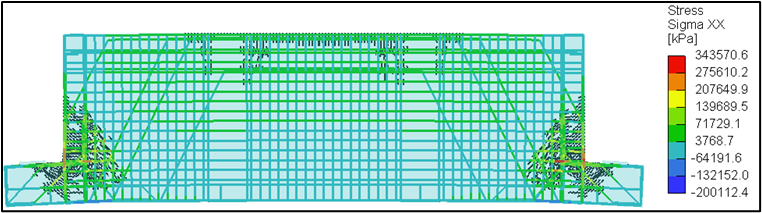
\[ \textsf{\textit{\footnotesize{Results of the FEM analysis}}}\]
Analýza poskytla křivku únosnosti indikující maximální odolnost 914 kN, čímž byl získán globální součinitel bezpečnosti 1,66, výrazně nad požadovanou mezí. Mechanismus porušení zahrnoval rozsáhlé trhliny, drcení betonu a lokální nestabilitu výztužných prutů v blízkosti kořene konzoly.
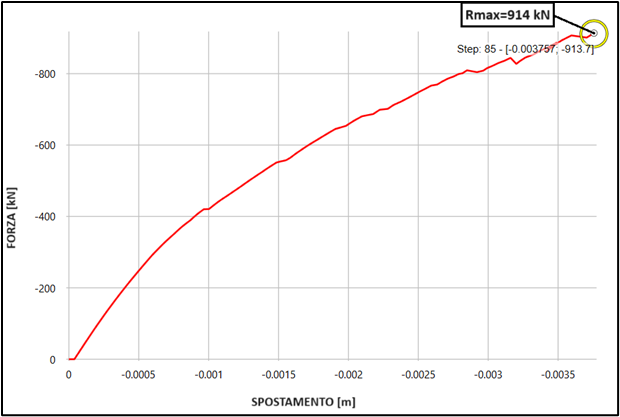
\[ \textsf{\textit{\footnotesize{Capacity curve derived from the FEM analysis}}}\]
Ve druhé fázi bylo provedeno modelování korozních scénářů pomocí validovaných degradačních modelů z vědecké literatury. Simulace zohledňovaly rychlosti úbytku hmotnosti v rozsahu od 5 % do 30 %. Při korozi do 15 % zůstaly součinitele bezpečnosti přijatelné, přičemž pro ocel činily 1,28 a pro beton 1,63. Nad touto mezí vedly výrazné snížení duktility a soudržnosti k předčasným křehkým porušením, zejména v oblasti sedla.
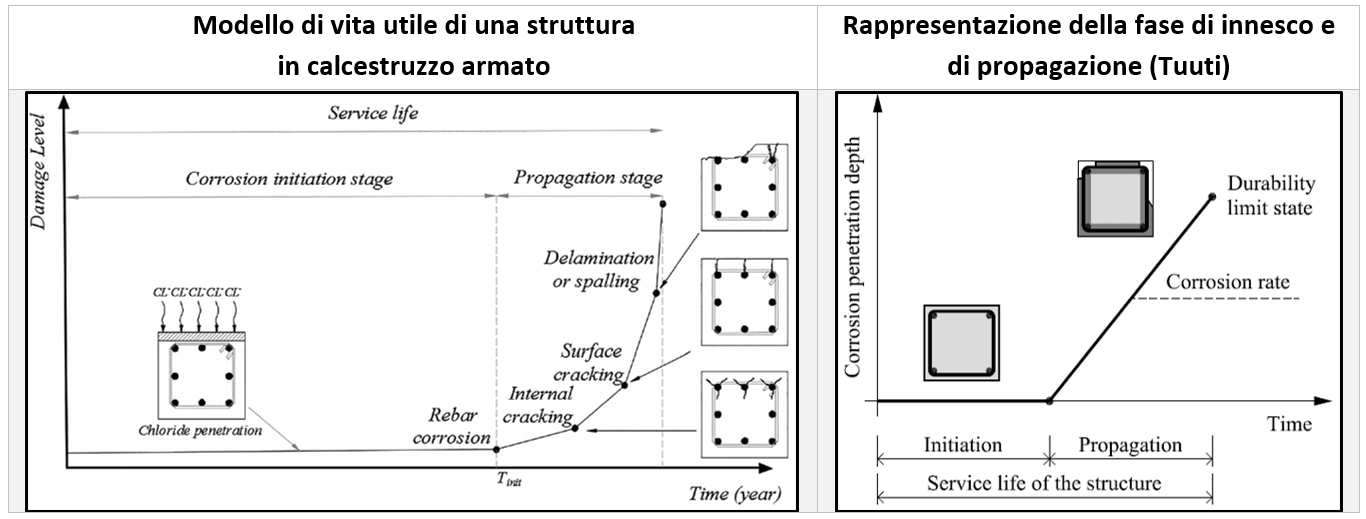
\[ \textsf{\textit{\footnotesize{Corosion scenario used for advanced analysis}}}\]
Při 30% korozi se rychlosti deformace oceli dramaticky zvýšily, což naznačuje závažnou konstrukční zranitelnost. Compatible Stress Field Method (CSFM) v IDEA StatiCa Detail byla aplikována pro D-oblasti, čímž potvrdila výsledky metody konečných prvků a zdůraznila důležitost zohlednění efektů skluzů soudržnosti při korozi.
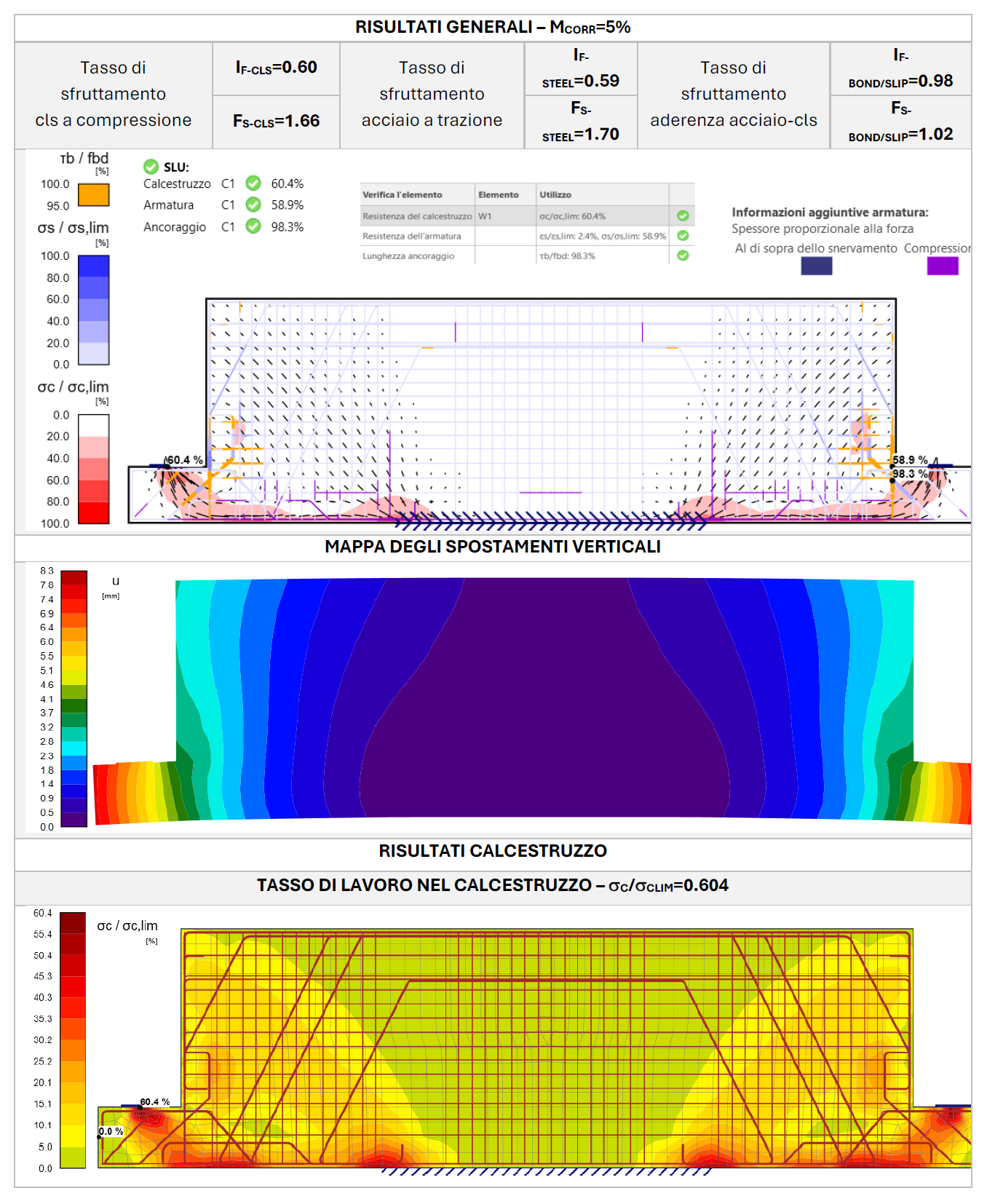

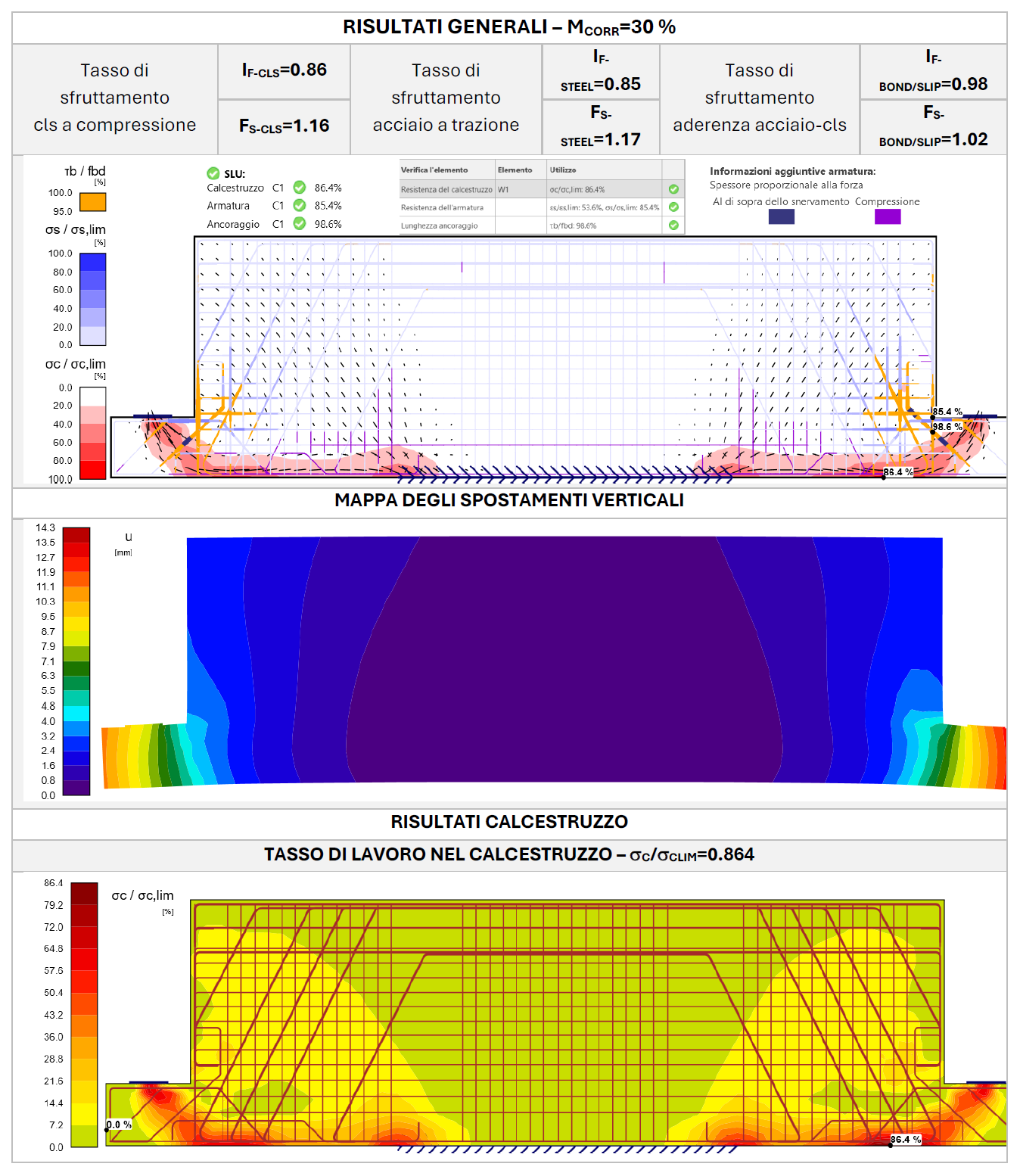
\[ \textsf{\textit{\footnotesize{Results of the CSFM analysis in IDEA StatiCa Detail - ULS and SLS, crack width}}}\]
Závěry
Studie dospěla k závěru, že ačkoli most v současnosti vykazuje uspokojivé bezpečnostní rezervy, jeho dlouhodobá výkonnost závisí na kontrole koroze a včasných zásazích. Doporučení zahrnovala pravidelné monitorování a preventivní údržbu k omezení postupu koroze pod kritické meze.

Itálie
Analýza prokázala, že pokročilé nelineární modelování je nepostradatelné pro hodnocení složitých konstrukčních prvků, jako jsou Gerberova sedla, zejména při scénářích degradace. Tento případ zdůrazňuje potřebu integrace modelů trvanlivosti do konstrukčních posouzení s cílem zajistit odolnost vůči environmentálním vlivům.
O ing. Francescu Olivetovi
Francesco Oliveto je poradenský expert a firma pro pokročilé numerické modelování a analýzu v oblasti konstrukční a geotechnické inženýrství.
Společnost poskytuje pokročilé služby konstrukční a geotechnické analýzy se silnou odborností v oblasti seismického posouzení stávajících budov, včetně těch postižených poškozením nebo degradací. Její práce zahrnuje interakci zeminy a konstrukce, návrh hlubokých základů, techniky výkopů shora dolů a zdola nahoru a lokální seismickou odezvu s využitím špičkového numerického modelování (metoda konečných prvků, CSFM).