


Why Firms Are Consolidating All Connection Workflows into IDEA StatiCa
Today, more firms are consolidating all connection workflows into IDEA StatiCa — because it saves engineering time, reduces project costs, and improves consistency across teams.
The Hidden Cost of Fragmented Workflows
Connection design represents a significant portion of structural engineering work. On large projects, engineers spend countless hours not only on calculations, but also on revisions, reporting, coordination, and repetitive modeling.
When firms use multiple disconnected tools, inefficiencies quickly add up through:
- repetitive data entry
- manual model recreation
- inconsistent reports
- longer QA/QC reviews
- higher risk of coordination errors
This becomes especially visible on projects with hundreds or thousands of similar connections, such as data centers, steel warehouses, oil & gas facilities, industrial plants, airports, and atypical steel structures with nonstandard geometry.
With IDEA StatiCa, engineers can design standard, complex, and anchoring connections in one environment using the same workflow and verification approach.
Measurable Time Savings
Engineering firms using IDEA StatiCa consistently report major productivity gains.
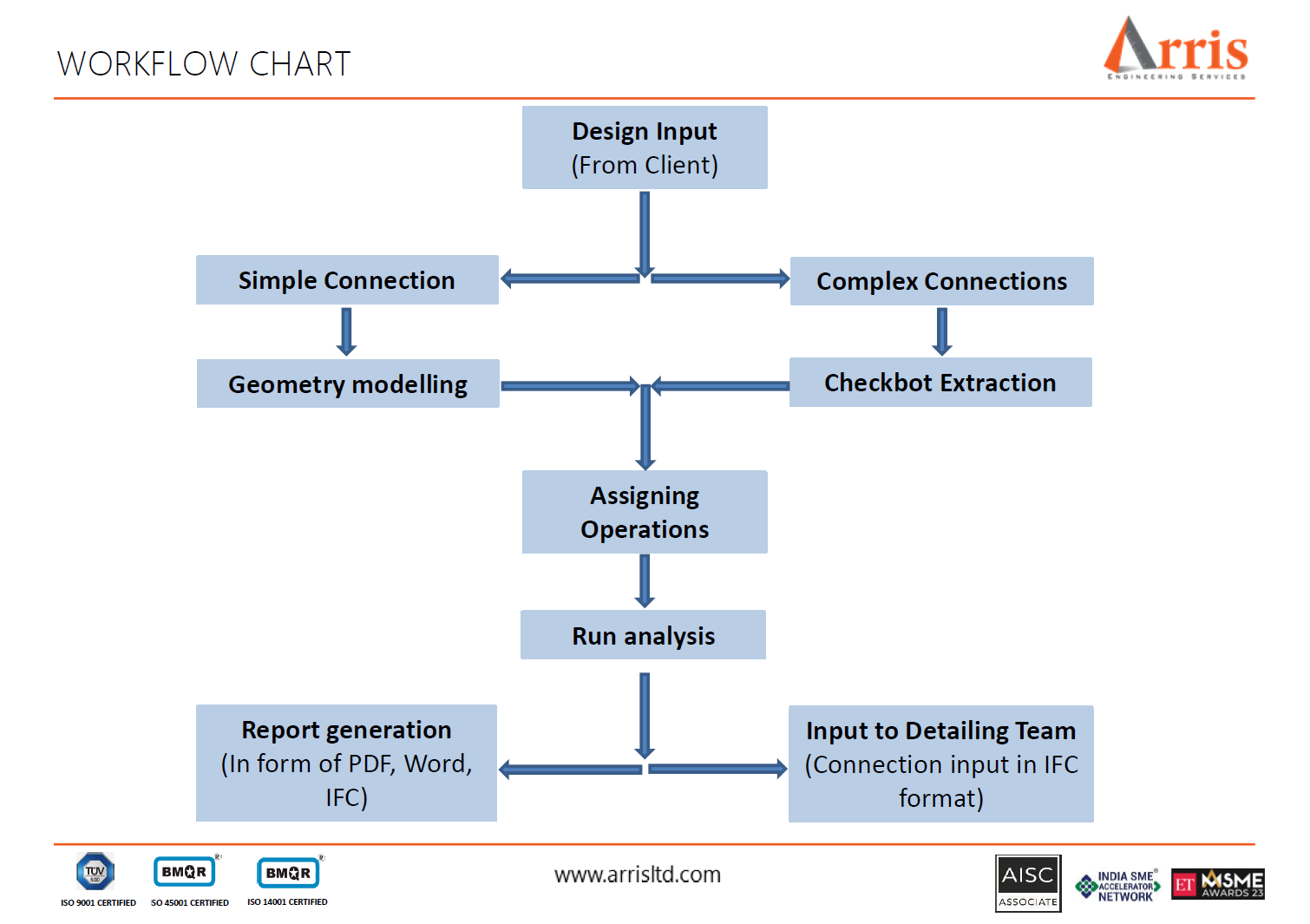
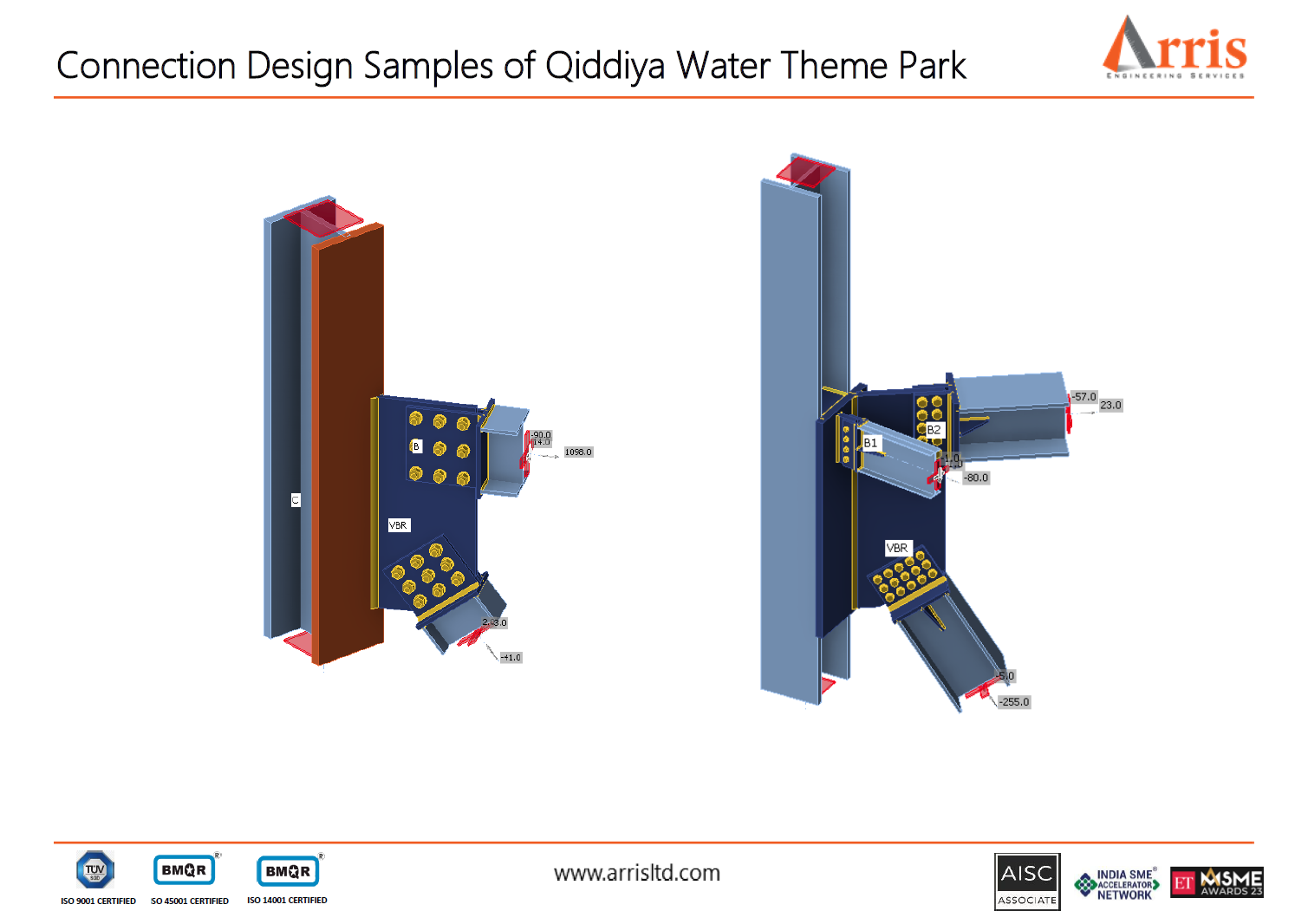
Arris Engineering Services used IDEA StatiCa to deliver approximately 25,000 steel connections for the Aquarabia Water Theme Park project in Saudi Arabia. According to Arris, the software delivered:
- up to 75% time savings for standard connections
- up to 85% time savings for complex connections
while improving coordination and reducing overall project costs.

Megaleious Builders and Associates reported significant workflow improvements after adopting IDEA StatiCa for steel connection design. According to the company, engineering teams achieved:
- approximately 70% faster connection design workflows
- reduced manual checking and reporting effort
- faster revisions and improved project turnaround


Brazilian steel engineering company CODEME reported reducing connection design time by over 90% after integrating IDEA StatiCa into their Robot and Tekla workflow.
These gains are driven by:
- reusable connection templates
- grouping and batch design
- BIM-integrated design
- easy synchronization of changes
Connected Workflows Across the Engineering Process
Another major reason firms are consolidating workflows into IDEA StatiCa is interoperability with commonly used structural and detailing software.
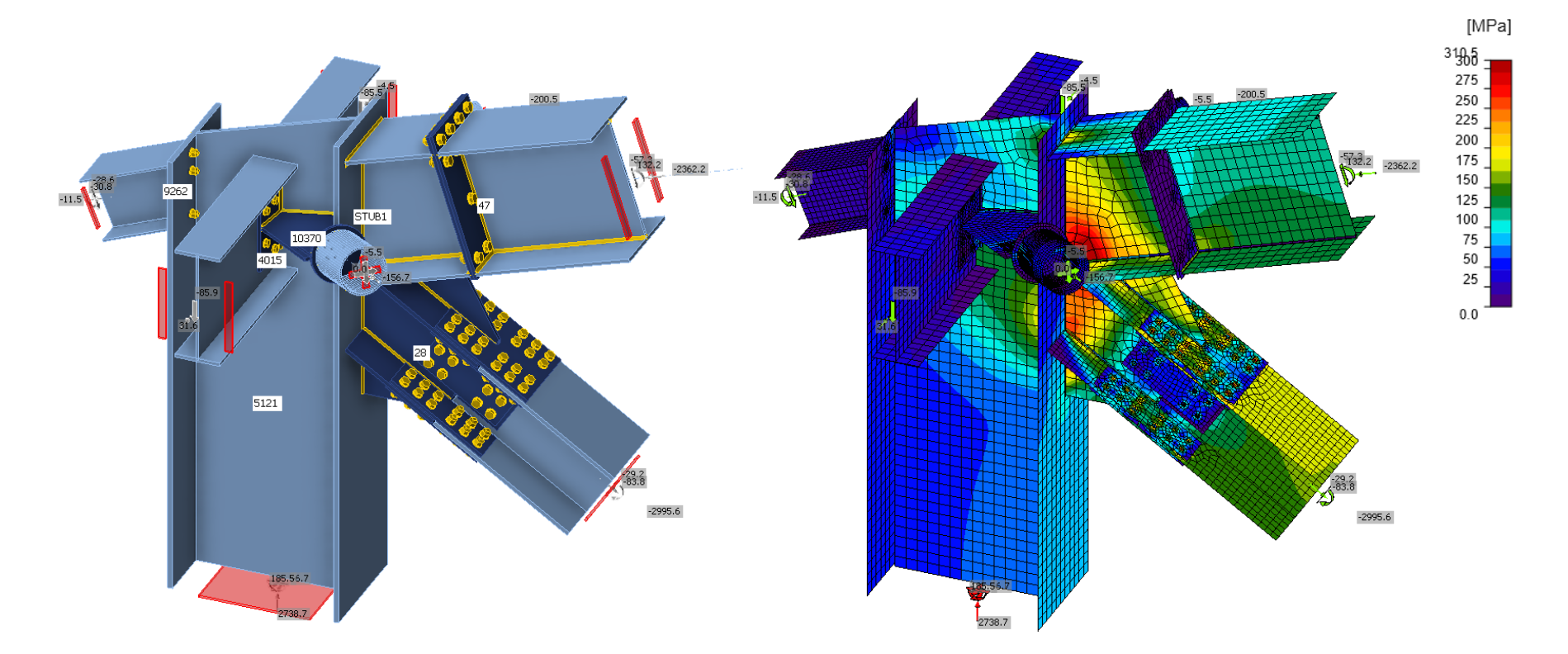
IDEA StatiCa integrates directly with platforms such as STAAD.Pro, SAP2000, SpaceGass, Tekla Structures, Autodesk Robot Structural Analysis, ETABS, and Revit. This allows engineers to transfer geometry, loads, and member data directly into connection design workflows without rebuilding models manually.
Instead of recreating connections multiple times across different software environments, teams can improve coordination between structural engineers, connection designers, and detailers. The result is faster revisions, fewer errors, and a more connected engineering workflow.

One Platform for Standard and Complex Design
While IDEA StatiCa is widely known for solving highly complex structural joints, many firms are now expanding its use far beyond occasional special cases.
Engineering teams increasingly use IDEA StatiCa for:
- routine shear and moment connections
- bracing and HSS joints
- base plates and anchoring
- revisions and sharing with 3rd parties
This allows firms to standardize training, improve QA consistency, simplify collaboration across projects and offices, and ultimately deliver projects more efficiently.
As project schedules tighten and engineering resources become more limited, workflow efficiency is becoming a competitive advantage.
That is why more engineering firms are consolidating all connection workflows into IDEA StatiCa.
Încercați IDEA StatiCa gratuit
