Idea Statica
  • Staal
  • Beton
  • BIM & workflows
  • Ondersteuning & Leren
  • Prijzen
  • Bedrijf
  • Overzicht staal
  • Verbinding ontwerp
  • Staafontwerp
  • Parametrisch ontwerp
  • Casestudies staal
  • Overzicht beton
  • Wand & detailontwerp
  • Verankeringsontwerp
  • Leden en doorsneden
  • Concrete casestudies
  • BIM-overzicht
  • Ondersteunde integraties
  • Checkbot
  • Viewer
  • APIs
  • Ondersteuningscentrum
  • Persoonlijke opleiding
  • Blog
  • Downloads & Licenties
  • Plannen
  • Gratis community tool
  • Licentie voor ondernemingen
  • Studenten en Universiteiten
  • Calculators
  • Over ons
  • Contact
  • Onderzoek & ontwikkeling
  • Blog
  • Evenementen
  • Staal
    Overzicht staalVerbinding ontwerpStaafontwerpParametrisch ontwerpCasestudies staal
  • Beton
    Overzicht betonWand & detailontwerpVerankeringsontwerpLeden en doorsnedenConcrete casestudies
  • BIM & workflows
    BIM-overzichtOndersteunde integratiesCheckbotViewerAPIs
  • Ondersteuning & Leren
    OndersteuningscentrumPersoonlijke opleidingBlogDownloads & Licenties
  • Prijzen
    PlannenGratis community toolLicentie voor ondernemingenStudenten en UniversiteitenCalculators
  • Bedrijf
    Over onsContactOnderzoek & ontwikkelingBlogEvenementen
14-daagse proefperiode
  • Staal
  • Beton
  • BIM & workflows
  • Ondersteuning & Leren
  • Prijzen
  • Bedrijf

Abonneer u op onze nieuwsbrief

Bedrijf

  • Over ons
  • Partnerschappen
  • Vacatures
  • Gepatenteerde technologie voor constructeurs

Bronnen

  • Klantprojecten
  • Case studies
  • IDEA StatiCa Connection Library
  • Verificatieboeken

Juridisch

  • Gebruiksrechtovereenkomst IDEA StatiCa
  • Wereldwijd privacybeleid
  • Terms of Services – IDEA StatiCa Viewer
  • Licenties

Help

  • Contact
  • Offerteaanvraag
  • Resellers
  • Downloads
FacebookInstagramLinkedInYouTube

© IDEA StatiCa 2009-2026

Vertrouwd en wereldwijd gebruikt door ingenieurs, fabrikanten & consultants.

OndersteuningscentrumBlogAre truss models outdated in the 21st century?
Are truss models outdated in the 21st century?
ConcreteNewsDetail 2DCSFM

Are truss models outdated in the 21st century?

18 februari 2021
Dit artikel is ook beschikbaar in
ENDENL

IDEA StatiCa cooperates with professor Walter Kaufmann and his team at ETH Zurich on verification and validation of its concrete applications since 2016. In January 2021, professor Kaufmann published on the ETH website a blog post related to truss models. With his kind permission, we take over and link the article.

The answer to the question posed by the title of this blog entry is obvious: generations of structural engineers acquired knowledge about truss models and stress fields for a good reason, and they still have a key role in university lectures as valuable tools for the design of concrete structures. But you still might be interested to learn why I am very concerned that truss models may no longer be used in the future – and what we have done to counteract the extinction of these methods?
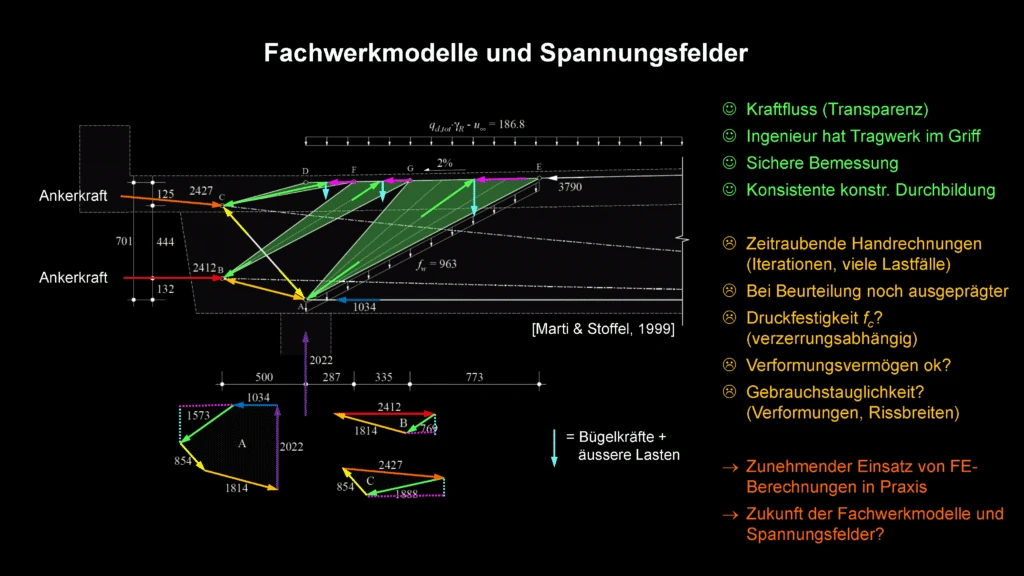
The origins of truss models date back to the early days of reinforced concrete design. However, they were only put on a consistent mechanical basis and used for design decades later: In the second half of the 20th century, a handful of pioneers, including Professor Thürlimann and his assistants at ETH Zurich, dared to apply ultimate limit state design methods to reinforced concrete. To do so, they interpreted truss models as discontinuous stress fields, and these in turn as solutions according to the lower limit theorem of plasticity theory. Truss models thus provide conservative results and make it possible to neglect restraint stresses – which makes them a perfect instrument for design in the ultimate limit state of structural safety.

The full article you can read on the ETH Zurich blog. 

Read the full article

CSFM Book – Compatible stress field design of structural concrete

Results of IDEA StatiCa Detail and the CSFM method in its solver were validated by the team led by Prof. Walter Kaufmann. The most important verification and validation examples were published in the book "Compatible stress field design of structural concrete" which is available in paper as well as in the digital format.
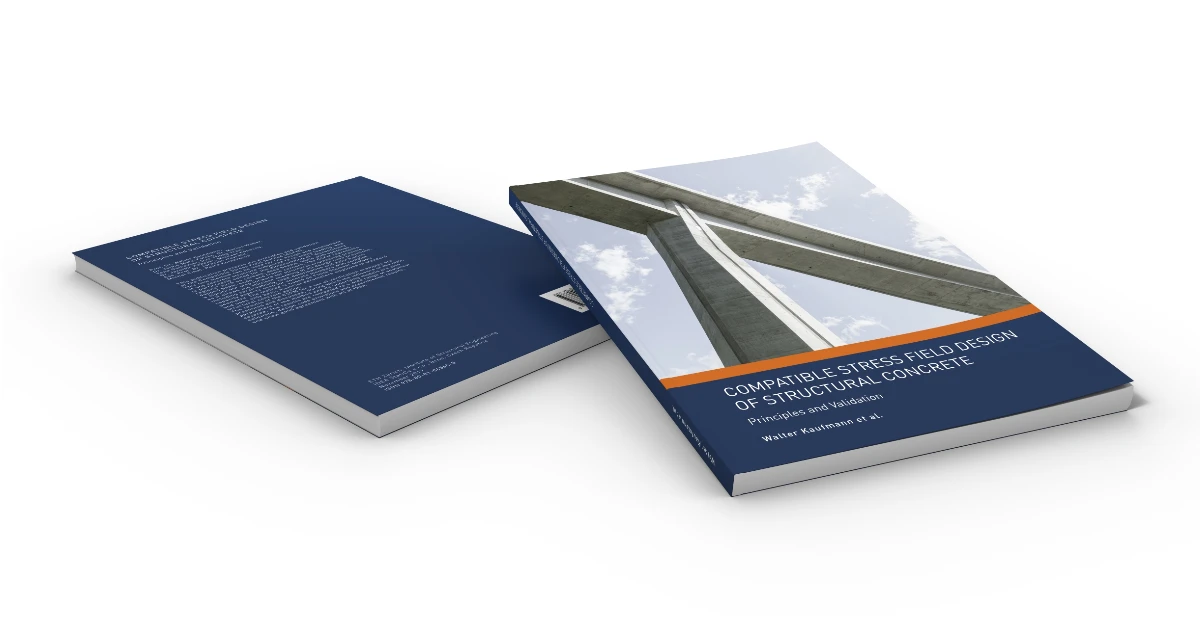
CSFM Boek – Compatible Stress Field Methode van beton voor constructies

SoftwareForum presentation – Tragwerksbemessung im 21 Jahrhundert

In September 2020, prof. Kaufmann took part in the SoftwareForum event in Switzerland with a presentation on the same topic. So, you can enjoy now the recording of the presentation (in German). 

Image credits: Walter Kaufmann / ETH Zurich

Vond je deze post leuk? Mis soortgelijke onderwerpen niet!

Sluit je aan bij 10,000 collega-ingenieurs en ontvang deskundige engineeringtips rechtstreeks in je inbox.

ABONNEREN OP NIEUWSBRIEF

Prof. Dr. Walter Kaufmann

Prof. Dr. Walter Kaufmann

Professor ETH Zurich

Walter Kaufmann is the Chair of Structural Engineering (Concrete Structures and Bridge Design) at the Swiss Federal Institute of Technology (ETH) Zurich.

Meer artikelen van deze auteur