Conception déléguée des assemblages dans les structures industrielles en rack de tuyauteries en acier
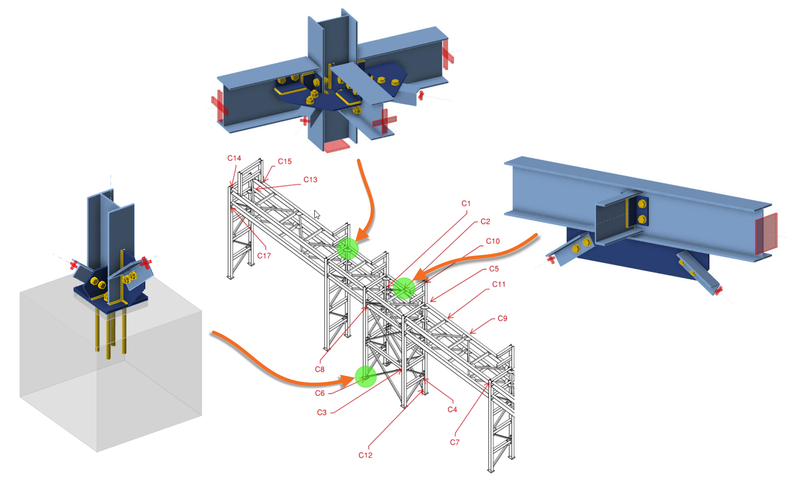
Weldment Design, fondée par Corbin Collier en 2019, a été mandatée par St. George Steel pour réaliser l'analyse déléguée des assemblages du système de rack de tuyauteries en acier du projet de fabrication d'aimants en terres rares USA Rare Earth. Le système de rack industriel s'étendait sur près de 800 pieds linéaires, s'élevait à 28 pieds de hauteur et a été conçu par Hatch (ingénieur de référence) avec le dessin de détail assuré par Cronus Steel Detailing.
L'objectif de Weldment Design était de vérifier que tous les assemblages de ferraillage structurel satisfaisaient aux exigences du code AISC et étaient structurellement adéquats, en utilisant une méthode de validation fiable et transparente.
Structure et conception
- Longueur totale : ~800 pieds linéaires
- Hauteur : ~28 pieds
- Type de portique : Rack de tuyauteries industriel classique composé de portiques à nœuds rigides, de portiques contreventés et de modules multi-travées
- Éléments : Poutres et poteaux à ailes larges supportant les chemins de câbles et les lignes de process
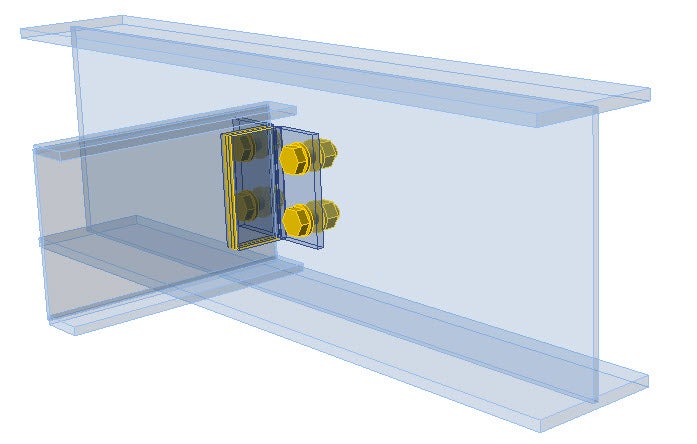
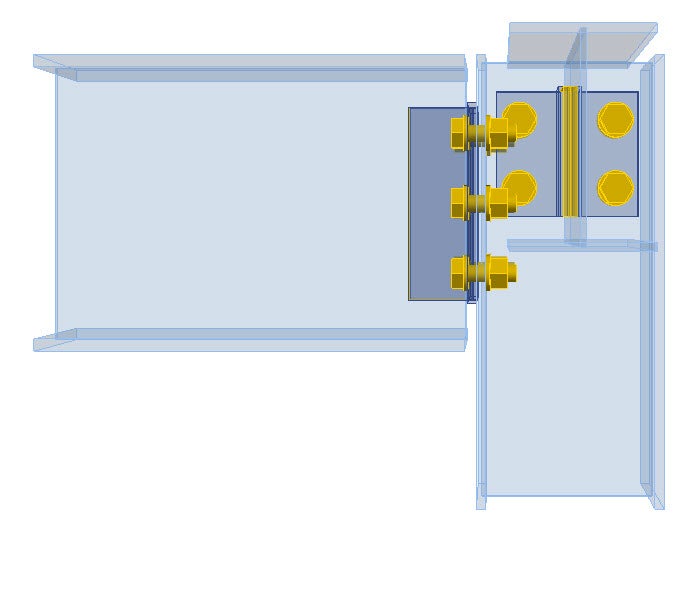
- Types d'assemblages : Principalement des assemblages par cisaillement, des platines d'âme prolongées, des platines raidies et des configurations de renfort
- Chargements : Charges gravitaires, latérales, charges de tuyauteries et charges concentrées aux niveaux des chemins de câbles
- Base de calcul : AISC 360 et normes de conception industrielle applicables
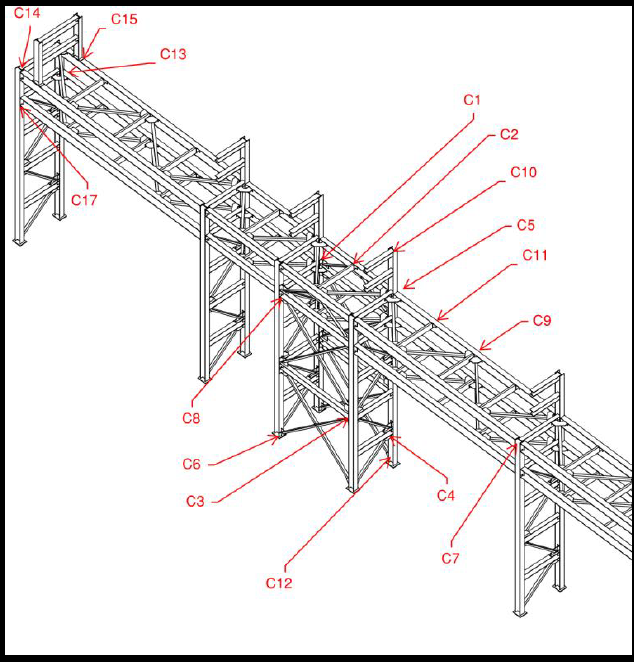
Figure 1. Localisation des assemblages (C1 à C15, C17)
Utilisation d'IDEA StatiCa sur le projet
Weldment Design a utilisé IDEA StatiCa avec la méthode CBFEM pour réaliser une conception et une vérification complètes des assemblages sur l'ensemble des phases du projet. Corbin et son équipe ont modélisé les assemblages à l'aide de la version autonome du logiciel. Au total, 20 assemblages différents ont été conçus à l'aide des outils d'opération d'IDEA StatiCa, qui permettent de modéliser aussi bien des assemblages standard que des assemblages sur mesure.
Les principaux types d'assemblages acier étaient :

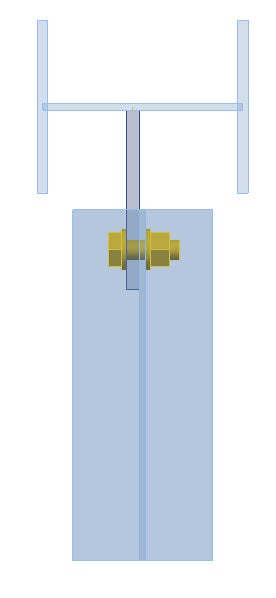
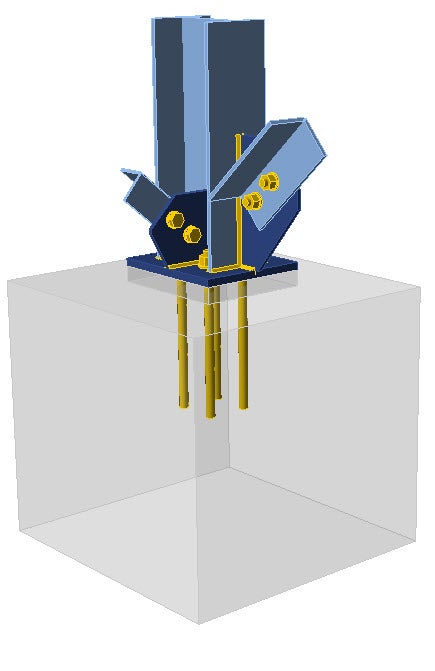
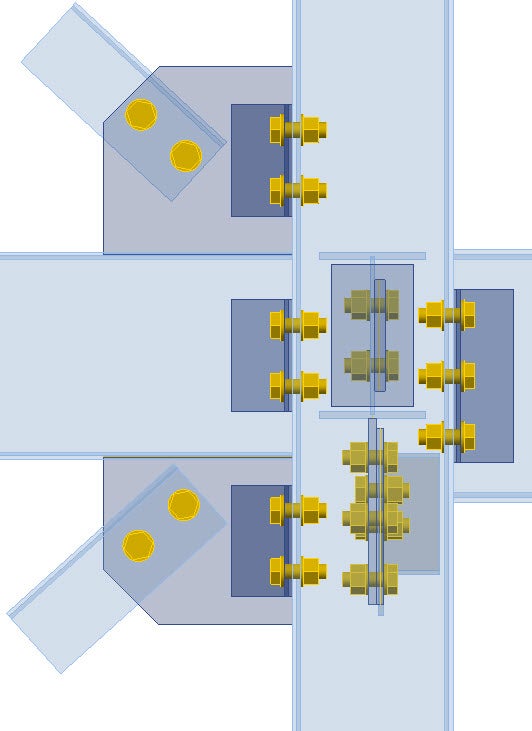
Géométrie & Mise en place du modèle
- Les modèles IFC fournis par le dessinateur ont permis une reconstruction exacte de la géométrie des éléments et des interfaces d'assemblage.
- La modélisation détaillée a pris en compte les jeux réduits courants dans les racks de tuyauteries, où chemins de câbles, contreventements et acier secondaire se rejoignent.
- Des familles d'assemblages groupés ont été utilisées pour analyser rapidement les détails répétitifs sur plusieurs travées.
Approche d'analyse
- La modélisation par éléments finis basée sur les composants (CBFEM) a permis à Weldment Design de simuler les cheminements réels des efforts dans des assemblages complexes — ce qui est difficile à réaliser avec les formules traditionnelles.
- Les états limites des assemblages acier ont été vérifiés par IDEA StatiCa, car ils sont explicitement modélisés lors de l'exécution de l'analyse par éléments finis :
- Résistance au cisaillement, à l'appui et des soudures
- Rupture par cisaillement en bloc, rupture de la section nette
- Voilement de l'âme du poteau / plastification de l'âme
- Flambement des platines et performance des raidisseurs
- Distribution des efforts dans les boulons, platines et soudures
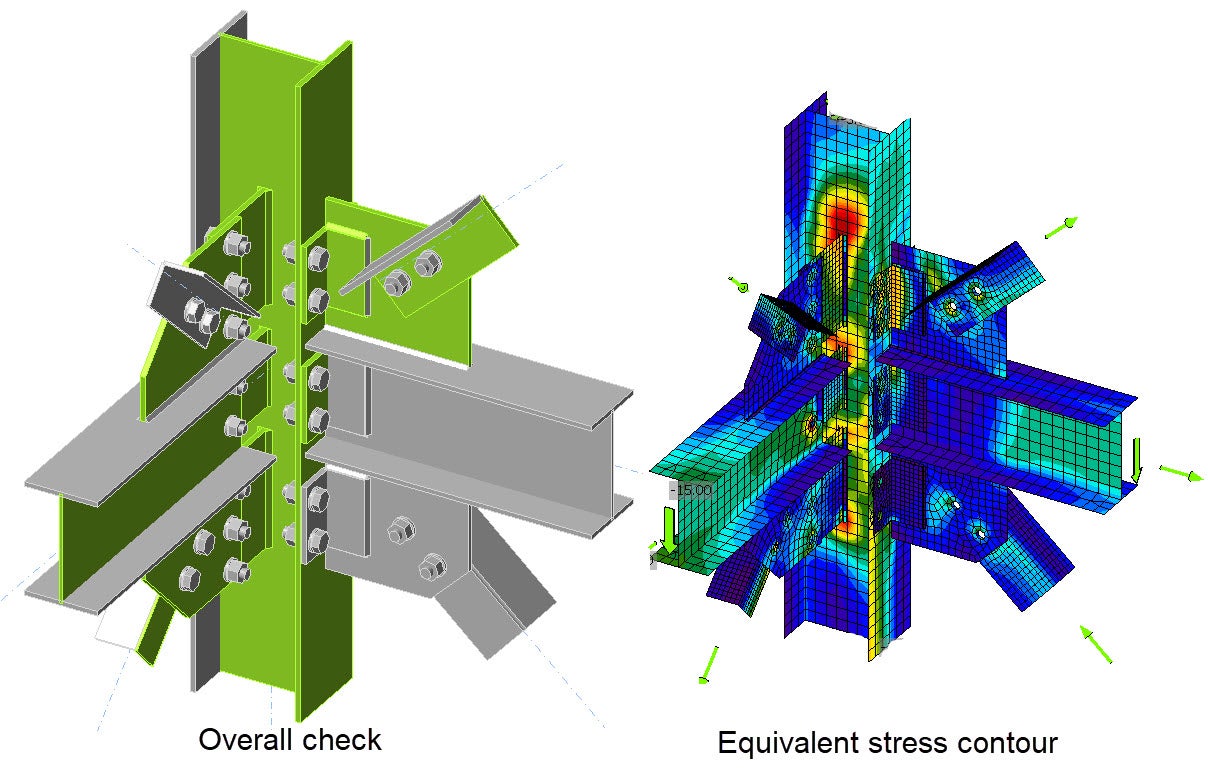
Figure 2. Assemblage de contreventement vertical bidirectionnel. Vue d'ensemble de la vérification normative et contour des contraintes équivalentes dans IDEA StatiCa
Affinement de la conception & Coordination
- IDEA StatiCa a été utilisé pour comparer les platines d'âme prolongées par rapport aux platines d'âme standard, en mettant en évidence les cas où une longueur supplémentaire ou des renforts étaient nécessaires pour satisfaire à la capacité requise.
- L'équipe a préservé les détails préférés du fabricant dans la mesure du possible, en itérant sur les dimensions des platines, les soudures et les dispositions de boulons directement dans le modèle 3D.
- Des fichiers IDEA StatiCa Viewer ont été partagés avec l'ingénieur de référence et le fabricant, permettant une communication visuelle claire sans nécessiter de logiciel propriétaire.

Figure 3. Visionneuse en ligne IDEA StatiCa montrant un assemblage du projet
Conclusion
Tous les assemblages du rack de ~800 pieds ont été confirmés conformes aux exigences de l'AISC.
Les états limites critiques ont été identifiés et traités en amont grâce aux résultats CBFEM visuels et transparents.
L'ensemble du périmètre de conception déléguée multi-phases a été réalisé en environ trois semaines — rendu possible par :
- Les fichiers partagés IFC
- Le groupement des assemblages
- La coordination visuelle basée sur le modèle
Parce que l'analyse montrait clairement où les détails du fabricant étaient acceptables et où des modifications étaient nécessaires, les reprises ont été limitées et les modifications en atelier ont été minimales.
Les visuels CBFEM, les diagrammes de cheminement des efforts et les modèles 3D annotés ont contribué à éliminer les ambiguïtés qui ralentissent habituellement les projets industriels.
Résultat : l'ingénieur de référence a accepté le dossier dès la première soumission sans aucune remarque.
Le projet a démontré comment des outils de modélisation avancés tels qu'IDEA StatiCa permettent une vérification efficace de :
- Structures multi-travées répétitives
- Charges industrielles lourdes
- Assemblages à géométrie contrainte
- Périmètres de conception déléguée à délais courts
Essayez IDEA StatiCa gratuitement
Contenu associé
Conception déléguée des assemblages dans les structures industrielles de rack de tuyauterie
Demandes de renseignements sur la conception des assemblages – Interférences sur site
Concevez plus intelligemment, pas plus laborieusement : accélérez les vérifications normatives d'assemblages en 3 étapes simples
Demandes de renseignements pour la conception d'assemblages – Modification d'une platine d'âme boulonnée en platine d'âme soudée